
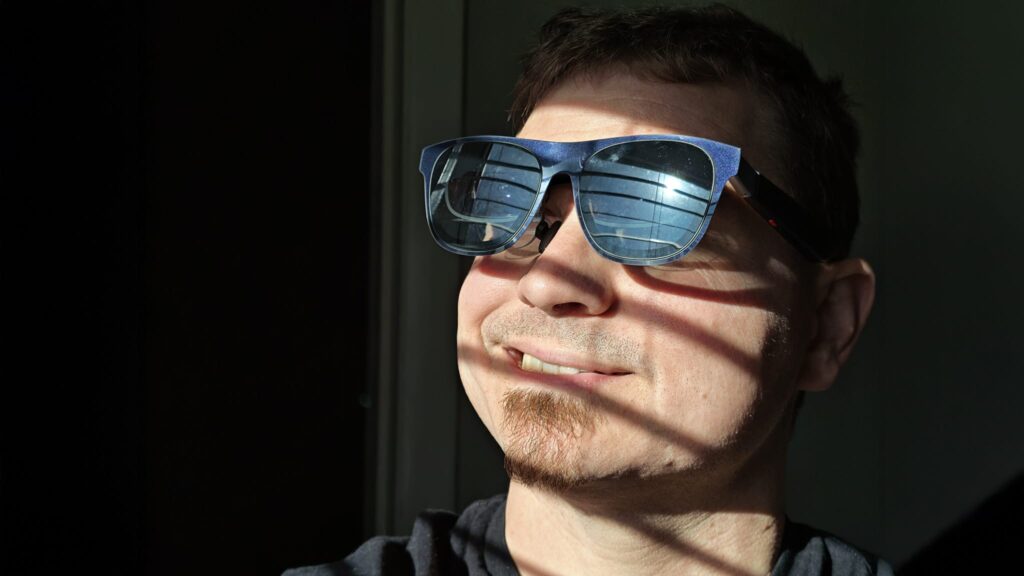
Best Smart Glasses 2026: From Budget to Premium, Every Option Ranked
Key Takeaways — Quick answer: The best pair of smart glasses in 2026 for most people is the Ray-Ban Meta ($299–$379) — the most polished all-rounder with the strongest AI. Pick the camera-free Even Realities G2 for privacy, or the OhO Sunshine on a budget.
- Best overall: Ray-Ban Meta ($299–$379) — most polished, strongest AI assistant
- Best open AI ecosystem: Rokid AI Glasses Style ($299)
- Best for privacy: Even Realities G2 — no camera by design
- Best budget entry: OhO Sunshine
Smart glasses are having their iPhone moment.
Not the iPhone 15 kind — the original iPhone kind. The one where everyone who tried it said “this changes everything,” and everyone who hadn’t tried it said “why would I want that?” We’re standing at that exact inflection point right now, and the devices hitting the market in 2026 are the ones that’ll make you rethink what belongs on your face versus what stays in your pocket.
Here at Unpocket, we’ve been obsessed with a single question: What if you could leave your phone in your pocket — or skip it entirely? Smart glasses are the most compelling answer we’ve found so far. They put a camera, AI assistant, speakers, and in some cases a heads-up display right where you already look — on your face. No reaching, no unlocking, no scrolling. Just… living, with technology that quietly keeps up.
But the market has exploded. Walk into Best Buy or scroll through Amazon and you’ll find everything from $20 clip-on camera glasses to $600 AR-enabled frames backed by billions in R&D. Some are genuinely transformative. Others are glorified Bluetooth speakers with legs. Telling them apart requires more than reading spec sheets — it requires wearing them, pushing them, and understanding what actually matters when a device lives on your face for 12 hours a day.
That’s exactly what we did. We evaluated the five best smart glasses 2026 has to offer, spanning every price point and use case. Whether you’re a tech enthusiast ready to go all-in on AI-powered frames, a privacy-conscious professional who wants smart features without a camera pointed at everyone, or someone just curious enough to spend $20 and see what the fuss is about — we’ve got your pick.
Let’s get into it.
How We Evaluate Smart Glasses
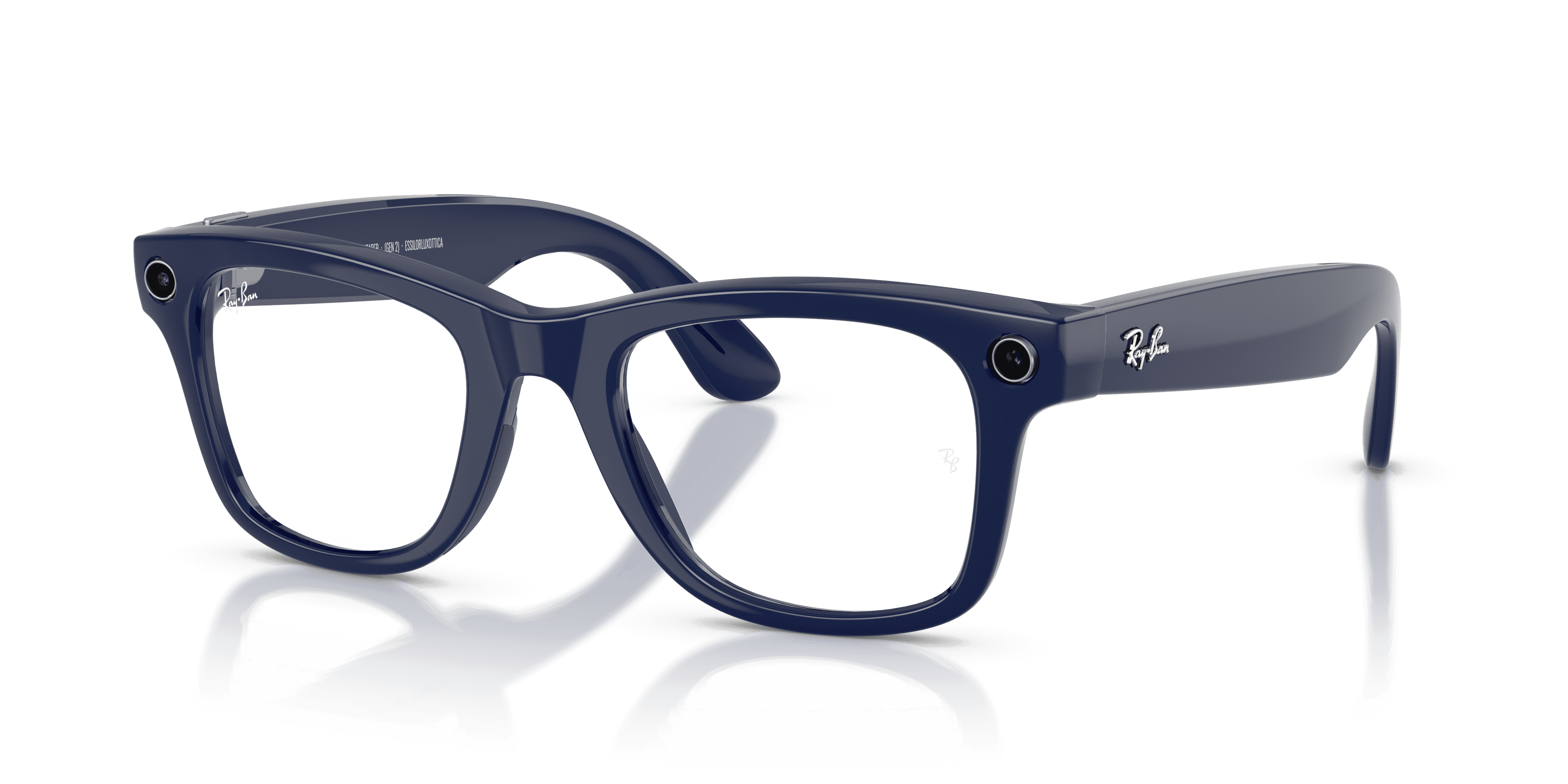
Smart glasses aren’t smartphones. You can’t just compare processors and screen sizes. A pair of glasses lives on your face, interacts with the people around you, and has to earn its place in your daily routine through comfort, utility, and social acceptability. That’s why we built a seven-dimension evaluation framework specifically for this category.
1. Design & Comfort
Weight, build quality, and all-day wearability. A 5-gram difference sounds trivial on paper — on your nose bridge at hour eight, it’s everything. We evaluate frame materials, weight distribution, temple pressure, and whether you’d actually want to wear these out of the house.
2. Camera Quality
Resolution, stabilization, and low-light performance. Smart glasses cameras face unique challenges: they’re tiny, they move with your head, and they have to produce results worth sharing. We test stills and video in daylight, indoor, and low-light conditions.
3. Audio Performance
Speaker quality, call clarity, and microphone array design. Open-ear speakers have to balance volume with privacy — can you hear your podcast without everyone next to you hearing it too? And on calls, do the microphones isolate your voice from background noise?
4. AI Assistant Intelligence
Multimodal capabilities, response quality, and real-world usefulness. In 2026, AI is the killer feature separating smart glasses from “regular glasses with a speaker.” We test visual recognition, contextual awareness, response speed, and how naturally the AI integrates into daily tasks.
5. Privacy Design
Recording indicators, camera presence, and public acceptance. This is the dimension most reviewers ignore — and it might be the most important one. Does the device have a visible recording light? Does it even have a camera? How do people around you react when you’re wearing them?
6. Prescription Compatibility
Options, cost, and turnaround time. Nearly 75% of American adults need vision correction. If smart glasses can’t accommodate prescriptions, they’re excluding three-quarters of their potential market. We evaluate prescription lens programs, costs, and how long you’ll wait.
7. Battery Life & Charging
Real-world usage duration, not lab numbers. Manufacturer claims mean little when you’re streaming music, snapping photos, and asking your AI assistant questions throughout the day. We test with mixed-use scenarios that reflect actual daily wear.
Best Smart Glasses 2026: Our Top 5 Picks
1. Ray-Ban Meta Smart Glasses — Best Overall

There’s a reason Ray-Ban Meta dominates every best smart glasses 2026 list, and it’s not just brand recognition. Meta poured years of iteration and billions in AI development into these frames, and it shows. The Ray-Ban Meta Smart Glasses are the most complete, most polished, and most socially acceptable smart glasses you can buy today.
Key Specs
| Spec | Detail |
|---|---|
| Price | $299–$379+ |
| Weight | ~49g |
| Camera | 12MP photo, 1080p 30fps video |
| AI Assistant | Meta AI (multimodal, visual recognition) |
| Audio | Open-ear speakers, 5-microphone array |
| Battery | ~4 hours (mixed use) |
| Prescription | Yes (via Ray-Ban official site) |
| Privacy | LED recording indicator |
| Frame Styles | Wayfarer, Headliner, and more |
Deep Dive
Design & Comfort. Let’s start with the elephant in the room: these look like actual Ray-Bans. The Wayfarer and Headliner styles are iconic silhouettes that people have been wearing for decades. At ~49g, they’re heavier than some competitors on this list, but the weight distribution is excellent — the battery and electronics are spread across both temples, avoiding the front-heavy feeling that plagued earlier smart glasses. You could wear these to a business meeting, a beach day, or a first date, and nobody would clock them as “tech glasses” unless they noticed the tiny camera lens.
Camera Quality. The 12MP sensor captures sharp, vibrant photos that are genuinely usable for social media. Video tops out at 1080p at 30fps — not going to replace your phone for cinematic footage, but perfectly adequate for capturing moments hands-free. The first-person perspective is the real selling point here. POV footage from smart glasses feels fundamentally different from phone footage. You’re capturing what you saw, not what you pointed your phone at. Low-light performance is decent but not exceptional; this is still a tiny sensor in a tiny package.
Audio Performance. Five microphones create impressive call clarity, and the open-ear speakers have improved dramatically from earlier generations. At moderate volume, you get clear audio without significant leakage to people nearby. Crank it up in a quiet office, though, and your coworker will absolutely hear your music. For calls, the beamforming microphone array does an excellent job isolating your voice — background noise suppression is genuinely impressive.
AI Assistant Intelligence. This is where Ray-Ban Meta pulls ahead of every competitor. Meta AI is a multimodal powerhouse that can see what you see and respond intelligently. Point at a restaurant menu in Italian and ask for a translation — done. Look at a plant and ask what species it is — identified. Ask for a summary of an article you’re reading — it’ll read the text through the camera and summarize it. The visual AI capabilities transform these from “glasses with a speaker” into a genuine AI companion. Response times are snappy, and the natural language understanding is best-in-class.
Privacy Design. A small LED illuminates when the camera is recording, providing transparency to people around you. It’s not perfect — the light is subtle enough that some people won’t notice it, and public opinion on face-mounted cameras remains mixed. In our testing, most people in casual settings didn’t care or didn’t notice. In more formal or private settings, the awareness that you could be recording created occasional discomfort. Meta has invested in privacy education, but social norms are still catching up to the technology.
Prescription Compatibility. Full prescription lens support is available through the Ray-Ban website and authorized retailers. You can configure your lenses during purchase, choosing from clear, sun, or transition lenses with your prescription. Turnaround time is typically 2–3 weeks. It’s a seamless process, though the added cost of prescription lenses pushes the total price higher.
Battery Life. Four hours of mixed use is realistic in our testing — roughly aligned with Meta’s claims. Heavy camera and AI usage will drain faster; music-only use extends it. The charging case provides additional charges and is compact enough for a pocket. It’s adequate for a half-day of active use, but you’ll want to pop them in the case during lunch if you’re planning an all-day wear.
Pros
- Most natural-looking smart glasses on the market
- Meta AI’s multimodal capabilities are genuinely transformative
- Excellent microphone array for calls
- Full prescription lens compatibility
- Strong brand recognition reduces social friction
- Widest ecosystem of apps and integrations
Cons
- Locked into Meta’s ecosystem (Facebook/Instagram required for full functionality)
- Privacy concerns in public settings remain real
- 1080p video feels dated against phone cameras
- ~49g weight is heavier than the lightest competitors
- Battery life demands mid-day charging for all-day use
Best For
Tech-forward users who want the most complete, AI-capable smart glasses experience and don’t mind the Meta ecosystem. If you’re choosing just one pair and want the best overall package, this is it.
Price: $299–$379+
2. Rokid AI Glasses Style — Best for Open AI Ecosystem
If Ray-Ban Meta is the iPhone of smart glasses — polished, locked-in, ecosystem-dependent — then the Rokid AI Glasses Style is the Android. Open, flexible, and built for people who want to choose their own AI.
At just 38.5 grams, the Rokid Style is the lightest full-featured AI smart glasses on the market. That’s more than 10 grams lighter than the Ray-Ban Meta, and on your face, the difference is immediately noticeable. But lightness is just the opening act. The real story is the open AI ecosystem.
Key Specs
| Spec | Detail |
|---|---|
| Price | $299 |
| Weight | 38.5g (lightest in class) |
| Camera | 12MP Sony IMX681, 4K 60fps video |
| AI Assistant | Open ecosystem (ChatGPT, DeepSeek, Qwen) |
| Audio | Open-ear speakers |
| Battery | ~4 hours |
| Prescription | Yes (global service, 7–10 day delivery) |
| Display | None (voice-first design) |
| Special | 89-language real-time translation (5 offline) |
Deep Dive
Design & Comfort. 38.5 grams. Read that number again. This is a pair of smart glasses that weighs less than many regular prescription frames. Rokid achieved this partly through a screenless design — there’s no display to add bulk — and partly through aggressive engineering. The result is a pair of glasses you genuinely forget you’re wearing. In our all-day testing, fatigue was essentially nonexistent. The frame design is clean and modern, though it lacks the instant brand recognition of Ray-Ban.
Camera Quality. Here’s where Rokid Style throws a genuine curveball: it packs a Sony IMX681 sensor capable of 12MP stills and 4K video at 60fps. That’s a significant spec advantage over the Ray-Ban Meta’s 1080p/30fps. In practice, the image quality is excellent — sharp, well-exposed, with natural colors. The 4K video capability makes these arguably the best smart glasses for content creators who want high-quality first-person footage without carrying a GoPro.
AI Assistant Intelligence. Rather than building a proprietary AI, Rokid took the open-ecosystem approach. You can connect ChatGPT, DeepSeek, Qwen, or other AI services as your assistant. This means you’re not locked into any single company’s AI roadmap — if a better model launches next month, you can switch. The downside is that the integration isn’t as seamless as Meta AI’s native experience. Response times are slightly slower, and the visual AI capabilities, while functional, don’t match the polish of Meta’s multimodal system. But for users who value choice over polish, this is a significant advantage.
Translation Powerhouse. Rokid’s standout feature is real-time translation across 89 languages, with 5 available offline. For travelers, international business professionals, or multilingual families, this is transformative. The translation happens in near-real-time through the speakers, creating a natural conversational flow. Five offline languages mean you’re not stranded if your hotel Wi-Fi drops.
Prescription Compatibility. Rokid offers a global prescription lens service with 7–10 day delivery — faster than most competitors. The frames were designed with prescription users in mind from the start, not as an afterthought. The ordering process is straightforward, and Rokid provides clear guidance on submitting your prescription details.
Google Maps Integration. Turn-by-turn audio navigation through Google Maps works seamlessly with the Rokid Style. Combined with the translation feature, this makes them an exceptional travel companion. Navigate a foreign city while getting real-time translations of signs and conversations — that’s genuinely useful in a way few gadgets achieve.
Pros
- Lightest full-featured AI glasses at 38.5g — all-day comfort is unmatched
- Open AI ecosystem: choose ChatGPT, DeepSeek, or any supported model
- 4K 60fps video blows away the competition
- 89-language real-time translation is best-in-class
- Prescription-first design with fast global delivery
- Google Maps integration for seamless navigation
- Not locked into any single tech giant’s ecosystem
Cons
- No display screen (voice-only feedback)
- Speaker volume and AI response times slightly behind Meta
- Brand recognition is lower — some social friction from unfamiliarity
- Open ecosystem means more setup and configuration
Best For
Users who prioritize freedom of choice, travelers who need translation, and content creators who want 4K first-person footage. If you’re allergic to ecosystem lock-in and want the lightest possible daily wear, the Rokid Style is your pick.
Price: $299
3. Rokid Glasses — Best for AR Display
What if your smart glasses could actually show you things? Not just whisper in your ear, but project information right into your line of sight? The Rokid Glasses (the display-equipped sibling of the Style) answer that question — and in 2026, they’re one of very few smart glasses that combine a camera and an AR heads-up display in a single frame.
Key Specs
| Spec | Detail |
|---|---|
| Price | $499–$599 |
| Weight | 49g |
| Display | Dual Micro LED, 480×398, 1500 nits, 23° FOV |
| Camera | 12MP |
| AI Assistant | ChatGPT integrated |
| Prescription | Yes |
| Display Color | Monochrome green |
Deep Dive
The Display Changes Everything — and Nothing. The dual-eye monochrome green Micro LED display is both the Rokid Glasses’ greatest strength and most debated feature. At 1500 nits, it’s bright enough to read in direct sunlight. The 23° field of view is narrow — you’re looking at a small window of information, not an immersive AR overlay. But for its intended use cases — navigation prompts, real-time translation subtitles, notification previews, and AI response text — the narrow FOV is actually fine. You glance up, get the info, and look back at the real world.
The monochrome green color is a deliberate choice for power efficiency and readability, though it gives everything a “night vision” aesthetic that won’t appeal to everyone. Think of it less as an AR display and more as a personal HUD — the kind fighter pilots have used for decades, miniaturized onto your face.
Camera + Display: The Rare Combo. In the current market, most smart glasses force a choice: camera or display, pick one. The Even Realities G2 has a display but no camera. The Ray-Ban Meta has a camera but no display. The Rokid Glasses give you both. This means you can snap a photo, have the AI analyze it, and read the response right on the display — all without touching your phone. It’s a genuinely useful workflow that hints at where the entire category is heading.
ChatGPT Integration. Rather than building a proprietary AI, Rokid integrated ChatGPT directly. Ask a question, and the response appears both in audio and on the HUD. The display adds a dimension that voice-only glasses can’t match — reading a list of nearby restaurants is faster than listening to one being read aloud.
Prescription and Comfort. At 49g, the Rokid Glasses match the Ray-Ban Meta in weight — respectable but not class-leading. Prescription compatibility is included, maintaining Rokid’s commitment to vision-corrected users.
Pros
- One of the only smart glasses with both camera and AR display
- 1500-nit display readable in direct sunlight
- HUD navigation, subtitles, and notifications genuinely useful
- ChatGPT integration with visual response display
- Prescription lens compatible
Cons
- Monochrome green display won’t suit everyone’s taste
- 23° FOV is narrow — not immersive AR
- $499–$599 price point is steep for the current feature set
- Not video-grade despite 12MP stills
- Heavier than screenless alternatives
Best For
Early adopters who want to experience AR heads-up display in everyday glasses. If the idea of seeing navigation arrows, translated text, or AI responses float in your vision excites you — and you’re willing to pay a premium for it — the Rokid Glasses deliver something no other product on this list can.
Price: $499–$599
4. Even Realities G2 — Best for Privacy
Here’s a radical idea: what if smart glasses were smart without a camera?
The Even Realities G2 takes the most controversial element of smart glasses — the face-mounted camera — and removes it entirely. No lens. No sensor. No recording capability. And in doing so, it eliminates the single biggest barrier to smart glasses adoption: the creepy factor.
Key Specs
| Spec | Detail |
|---|---|
| Price | ~$499–$599 |
| Weight | ~36g |
| Display | MicroLED HUD |
| Camera | None (by design) |
| AI Assistant | Yes |
| Prescription | Yes (core selling point) |
Deep Dive
The Privacy-First Philosophy. Even Realities made a bet: in a world increasingly anxious about surveillance, the best camera is no camera at all. The G2 can go anywhere — boardrooms, doctor’s offices, schools, locker rooms — without triggering the “is that person recording me?” anxiety that plagues camera-equipped smart glasses. In our testing, the social difference was stark. People who tensed up around Ray-Ban Metas were completely relaxed around the G2. It’s smart glasses you can wear everywhere, not just places where cameras are socially acceptable.
The HUD Display. Without a camera, the G2 leans hard into its microLED heads-up display. Notifications, calendar reminders, navigation directions, real-time translation text — all projected discreetly into your field of vision. The display is the primary output channel, complemented by audio. For professionals who need quick-glance information without pulling out a phone, this is genuinely useful. Check your next meeting time, read an incoming message, or follow navigation prompts — all without breaking eye contact in a conversation.
Featherweight Champion. At approximately 36 grams, the G2 is among the lightest smart glasses available. Without camera hardware, Even Realities could optimize for weight and comfort above all else. The result is a pair of glasses that, combined with prescription lenses, genuinely replaces your regular frames. This is the “I’d wear these all day every day” option.
Prescription-First Design. Prescription compatibility isn’t an add-on for the G2 — it’s the core use case. Even Realities designed these as your actual glasses that happen to be smart, not smart glasses that happen to accept prescriptions. The distinction matters. Every design decision prioritizes the experience of someone who needs corrective lenses.
Pros
- Zero privacy concerns — no camera means no recording anxiety
- Among the lightest smart glasses at ~36g
- HUD display provides discreet information at a glance
- Designed as genuine prescription eyewear first
- Socially acceptable in every setting
- Clean, professional aesthetic
Cons
- No camera means no photos, no video, no visual AI
- Feature set is more limited than camera-equipped competitors
- $499–$599 is premium pricing for a camera-less device
- AI capabilities are constrained without visual input
- Display is functional but not AR-grade
Best For
Privacy-conscious professionals, anyone who works in camera-restricted environments, and users who want smart features in glasses they can wear absolutely everywhere without social friction. If you’ve been interested in smart glasses but uncomfortable with the camera element, the G2 was made for you.
Price: ~$499–$599
5. OhO Sunshine — Best Budget Entry
Let’s be honest: not everyone is ready to drop $300–$600 on a category that’s still proving itself. If you’re smart-glasses-curious but commitment-phobic, the OhO Sunshine exists for exactly this moment.
Key Specs
| Spec | Detail |
|---|---|
| Price | $19.99–$49.90 |
| Weight | ~40–50g |
| Camera | 1080p |
| Audio | Bluetooth speakers |
| AI Assistant | None |
| Prescription | No |
Deep Dive
The $20 Experiment. At under $50 — and sometimes under $20 — the OhO Sunshine is less of a technology investment and more of a curiosity purchase. And that’s perfectly fine. These are the smart glasses equivalent of buying a cheap drone to see if you enjoy flying before investing in a DJI. They let you experience the core concept — camera on your face, speakers in your temples — without financial commitment.
Camera. The 1080p camera captures serviceable footage. Don’t expect anything approaching the quality of the Ray-Ban Meta or Rokid Style — colors are flatter, stabilization is minimal, and low-light performance is poor. But for casual point-of-view clips, it works. Think “fun TikTok perspective” rather than “professional content creation.”
Audio. Basic Bluetooth speakers deliver music and calls at acceptable quality. They’re roughly comparable to budget Bluetooth sunglasses you’d find at a gas station — functional, not impressive. Sound leakage is significant at higher volumes.
What’s Missing. No AI assistant. No prescription compatibility. No advanced microphone array. No HUD display. The OhO Sunshine is a camera and a speaker in a glasses frame, full stop. And at this price point, that’s exactly what it should be.
Pros
- Absurdly affordable — under $50, often under $20
- Zero financial risk for trying the smart glasses concept
- 1080p camera captures basic POV footage
- Bluetooth audio for music and calls
- Multiple frame styles available
Cons
- No AI assistant whatsoever
- No prescription lens compatibility
- Build quality reflects the price point
- Camera quality far below premium options
- Audio quality is basic
- No privacy features (no recording indicator)
Best For
Curious first-timers, budget-conscious experimenters, and anyone who wants to test the smart glasses concept before committing to premium hardware. Buy it, try it for a weekend, and decide if face-mounted technology is something you want to invest in seriously.
Price: $19.99–$49.90
Quick Comparison Table
| Feature | Ray-Ban Meta | Rokid Style | Rokid Glasses | Even Realities G2 | OhO Sunshine |
|---|---|---|---|---|---|
| Price | $299–$379+ | $299 | $499–$599 | ~$499–$599 | $19.99–$49.90 |
| Weight | ~49g | 38.5g | 49g | ~36g | ~40–50g |
| Camera | 12MP, 1080p/30fps | 12MP, 4K/60fps | 12MP | None | 1080p |
| AI Assistant | Meta AI | ChatGPT/DeepSeek/Qwen | ChatGPT | Yes | None |
| Display | None | None | Micro LED HUD | MicroLED HUD | None |
| Prescription | Yes | Yes | Yes | Yes | No |
| Battery | ~4 hrs | ~4 hrs | ~4 hrs | ~4 hrs | ~3 hrs |
| Translation | Yes | 89 languages | Yes | Yes | No |
| Best For | Best overall | Open AI / Travel | AR display | Privacy | Budget entry |
The Unpocket Privacy Scorecard
Privacy isn’t binary — it’s a spectrum. We developed the Unpocket Privacy Scorecard to help you understand exactly what each pair of smart glasses means for your privacy and the privacy of people around you.
| Product | Camera Present | Recording Indicator | Data Ecosystem | Public Comfort Score | Overall Privacy Rating |
|---|---|---|---|---|---|
| Ray-Ban Meta | Yes (12MP) | LED light | Meta (Facebook/Instagram) | 6/10 | B |
| Rokid Style | Yes (12MP) | LED light | Open / User-chosen | 6/10 | B+ |
| Rokid Glasses | Yes (12MP) | LED light | Open / ChatGPT | 6/10 | B |
| Even Realities G2 | No camera | N/A | Minimal | 10/10 | A+ |
| OhO Sunshine | Yes (1080p) | None | Minimal | 4/10 | C |
How to read this table:
- Camera Present: Whether the glasses have a camera. This is the single biggest factor in public perception.
- Recording Indicator: Whether bystanders can tell when recording is active.
- Data Ecosystem: Where your data goes. Meta collects extensively; open ecosystems let you choose; Even Realities collects minimal data.
- Public Comfort Score: How comfortable other people are around you wearing these (based on our informal social testing). The G2’s perfect score reflects the power of removing the camera entirely.
- Overall Privacy Rating: Our composite assessment. The Even Realities G2 earns the only A+ by eliminating the core privacy concern entirely. The OhO Sunshine scores lowest — it has a camera without a recording indicator, the worst combination.
Can Smart Glasses Replace Your Phone?
This is the question at the heart of the Unpocket philosophy: can smart glasses let you leave your phone behind? We mapped core smartphone functions against current smart glasses capabilities.
| Function | Smart Glasses (2026) | Status |
|---|---|---|
| Photos & video | Yes (most models) | ✅ Capable |
| Navigation | Audio directions, HUD on some models | ✅ Capable |
| Phone calls | Yes (all models with speakers) | ✅ Capable |
| Real-time translation | Yes (Rokid excels) | ✅ Capable |
| Music & podcasts | Yes (all models) | ✅ Capable |
| AI assistant | Yes (most models) | ✅ Capable |
| Notifications | HUD models only | ⚠️ Partial |
| Messaging (compose) | Voice dictation only | ⚠️ Partial |
| Social media browsing | No | ❌ Not yet |
| Mobile payments | No | ❌ Not yet |
| Gaming | No | ❌ Not yet |
| Video streaming | No | ❌ Not yet |
The verdict: not yet, but closer than ever.
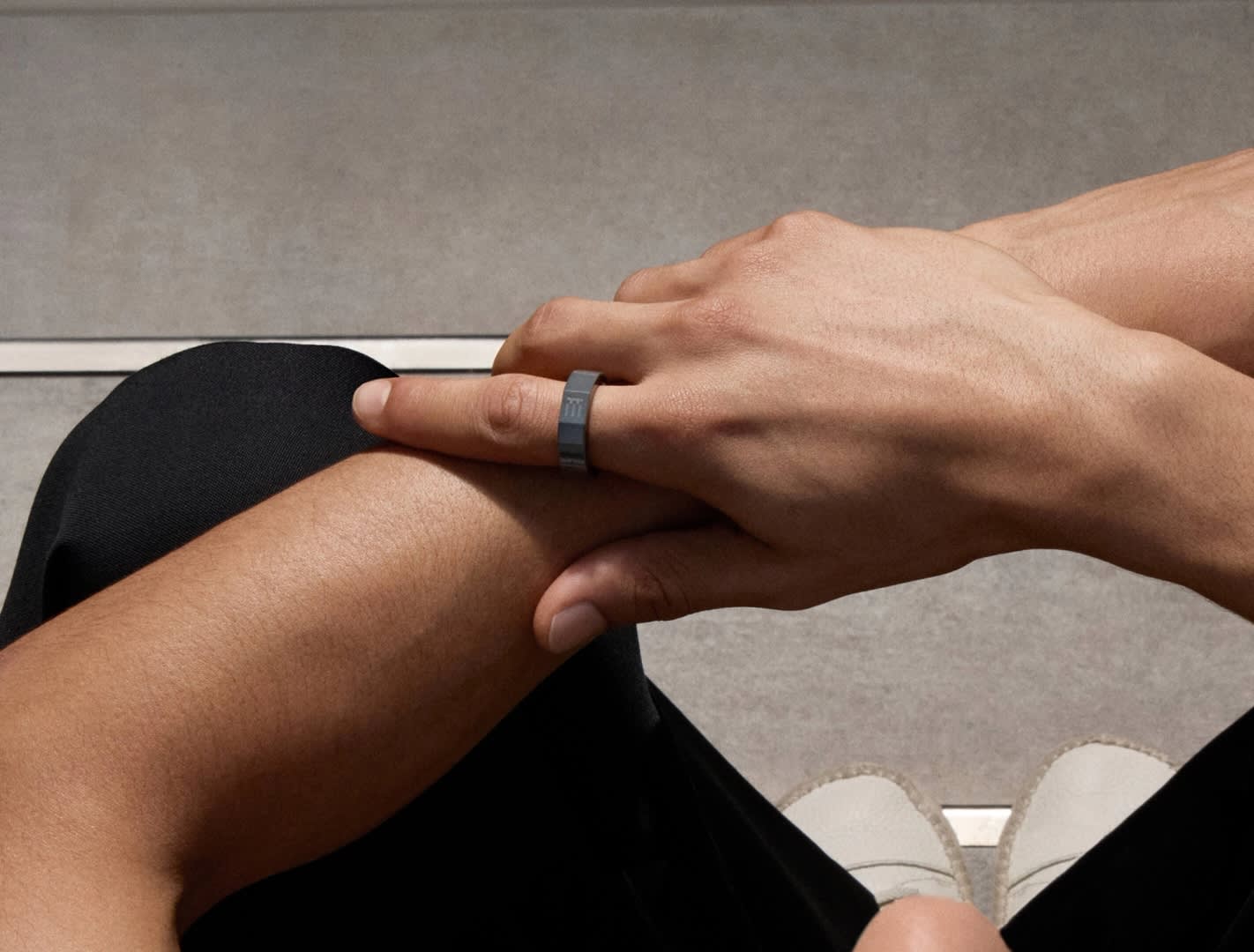
Smart glasses in 2026 can capably handle about 60% of what most people use their phones for — and they handle that 60% in a more natural, hands-free way. The remaining 40% — visual browsing, payments, media consumption — still requires a screen in your hand or on your wrist. Pair your smart glasses with a smartwatch and a smart ring, though, and that 40% gap shrinks considerably.
The Unpocket vision isn’t about killing the smartphone overnight. It’s about gradually redistributing its functions to devices that make more sense — eyes-level for information, wrist-level for quick interactions, finger-level for health tracking. Smart glasses are the biggest piece of that puzzle, and in 2026, they’ve finally become good enough to earn a permanent spot on your face.
Smart Glasses Buying Guide 2026
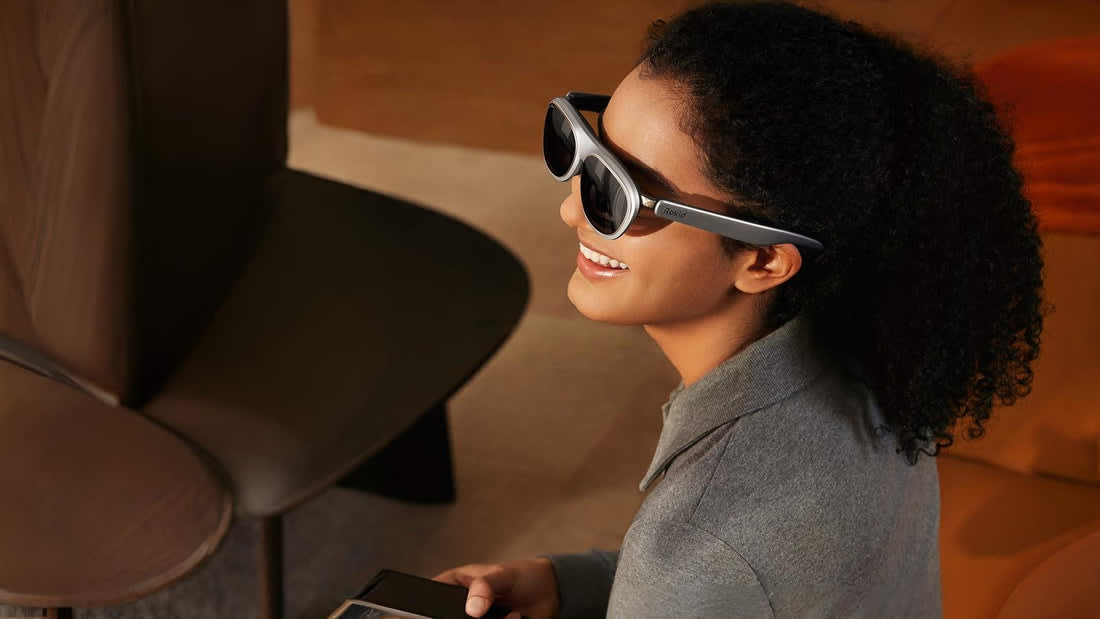
Prescription Lens Compatibility
If you wear glasses, prescription compatibility isn’t a nice-to-have — it’s a dealbreaker. Here’s how the field stacks up:
Ray-Ban Meta offers full prescription support through their official website and authorized opticians. Expect to pay $100–$200+ on top of the base price for prescription lenses, with a 2–3 week turnaround. The advantage: Ray-Ban’s optical quality is proven over decades.
Rokid (Style and Glasses) provides a global prescription service with impressively fast 7–10 day delivery. Both models were designed with prescription users as a priority, and the ordering process is streamlined. Pricing is competitive with Ray-Ban’s offering.
Even Realities G2 treats prescription as its core use case, not an accessory. These are designed to be your primary eyeglasses. The prescription integration is the most seamless of any smart glasses on the market.
OhO Sunshine does not support prescription lenses. If you need vision correction, you’ll need contacts underneath or clip-on magnifiers — neither ideal.
Our recommendation: If prescription is your top priority, the Even Realities G2 or Rokid Style offer the best dedicated experiences. If you want the broadest brand and lens options, Ray-Ban Meta leverages the entire Ray-Ban optical network.
Battery Life: What to Really Expect
Every manufacturer claims “all-day battery life.” Here’s reality:
All four premium options on this list deliver approximately 4 hours of mixed use — meaning a combination of music playback, occasional photos, AI queries, and phone calls. Pure audio playback extends this; heavy camera and AI use shortens it.
Four hours sounds short until you consider usage patterns. Most people don’t use their smart glasses continuously for four hours. You wear them, use a feature, let them idle, use another feature. In practice, a full charge gets most users from morning to early afternoon before needing a top-up in the charging case.
Pro tip: Treat the charging case like you treat your phone’s wireless charger. Drop the glasses in whenever you’re at your desk or eating lunch. This “sip charging” approach means you’ll rarely hit zero.
AI Assistant Showdown: Meta AI vs. ChatGPT vs. Open Ecosystem
The AI assistant is increasingly the reason people buy smart glasses. Here’s how the three approaches compare:
Meta AI (Ray-Ban Meta): The most deeply integrated option. Meta AI is built into the operating system, responds instantly, and has the best multimodal (visual) capabilities. It can identify objects, translate text, and provide contextual information based on what it sees through the camera. The trade-off: you’re fully dependent on Meta’s AI roadmap and data practices.
ChatGPT (Rokid Glasses): OpenAI’s model provides strong general-purpose AI capabilities with excellent language understanding. Integrated directly into the Rokid Glasses’ HUD, responses appear both in audio and text. Slightly slower response times than Meta’s native integration, but the quality of answers is comparable.
Open Ecosystem (Rokid Style): The most flexible approach. Choose ChatGPT, DeepSeek, Qwen, or other models based on your preferences. Swap models as better ones emerge. The setup requires more effort, and the integration isn’t as polished as native solutions, but the long-term optionality is unmatched. Today’s best AI might not be tomorrow’s best AI — the open approach lets you always run the best available model.
Our take: If you want the best right now experience, Meta AI wins on integration and multimodal capability. If you’re thinking long-term and value flexibility, Rokid’s open ecosystem is the smarter bet. The best smart glasses 2026 has to offer will only get better as AI models improve — and the open ecosystem benefits most from that improvement.
Frequently Asked Questions
Are smart glasses worth buying in 2026?
Yes — with caveats. If you value hands-free photography, AI assistance, and audio without earbuds, the current generation delivers genuine daily utility. The best smart glasses 2026 offers are meaningfully better than anything available even a year ago. However, if you’re expecting full smartphone replacement, you’ll be disappointed. Think of them as a powerful supplement to your phone, not a replacement.
Do smart glasses work with prescription lenses?
Most premium smart glasses now support prescription lenses. The Ray-Ban Meta, Rokid Style, Rokid Glasses, and Even Realities G2 all offer prescription compatibility. The OhO Sunshine does not. Expect to pay $100–$200+ for prescription lenses and wait 1–3 weeks for delivery.
Are smart glasses safe to wear all day?
From a health perspective, smart glasses are as safe as regular glasses with added Bluetooth audio. The key comfort factor is weight — lighter models like the Rokid Style (38.5g) and Even Realities G2 (~36g) can be worn all day without fatigue. Heavier models around 49g may cause slight nose-bridge or ear discomfort during extended wear.
Can people tell I’m wearing smart glasses?
It depends on the model. Ray-Ban Meta looks like standard Ray-Bans — most people won’t notice. The Even Realities G2 is similarly discreet. Rokid models have a slightly more techy aesthetic that tech-savvy observers might identify. The OhO Sunshine looks like budget sunglasses. In general, smart glasses in 2026 are far more discreet than the Google Glass era.
Which smart glasses have the best camera?
The Rokid Style leads with its 12MP Sony IMX681 sensor and 4K 60fps video capability — the highest resolution video of any smart glasses on the market. The Ray-Ban Meta offers excellent 12MP stills and reliable 1080p video with superior software processing. The Even Realities G2 intentionally has no camera.
Do smart glasses record people without consent?
This is a legitimate concern. Camera-equipped smart glasses can record discreetly, though models like the Ray-Ban Meta include LED indicators when recording. The Even Realities G2 eliminates this concern entirely by having no camera. Always check local recording laws and be transparent with people around you about your glasses’ capabilities.
How do smart glasses connect to my phone?
All smart glasses on this list connect via Bluetooth to your smartphone (iOS and Android). A companion app handles settings, firmware updates, and feature configuration. The smart glasses function as a peripheral to your phone — they don’t operate independently for most features. Wi-Fi connectivity is available on some models for firmware updates and heavier data tasks.
What’s the difference between smart glasses and AR glasses?
Smart glasses add technology (cameras, speakers, AI) to regular eyeglass frames without a display. AR glasses include a transparent display that overlays digital information onto your real-world view. On this list, the Rokid Glasses and Even Realities G2 cross into AR territory with their HUD displays, while the Ray-Ban Meta and Rokid Style are pure smart glasses. The line between the two categories is blurring rapidly.
Will smart glasses get better in the future?
Absolutely. Apple, Google, Samsung, and numerous startups are developing smart glasses. AI capabilities are improving quarterly. Displays are getting brighter, lighter, and higher-resolution. Battery technology is advancing. The best smart glasses 2026 delivers are the worst smart glasses of the next decade — in the best possible way. Buying now gets you genuine utility today while the category matures.
Can I use smart glasses while driving?
Audio features (music, calls, navigation prompts) are generally safe and legal while driving — similar to using car speakers. Camera and display features should NOT be used while driving, as they can distract from the road. Check your local laws regarding wearable displays while operating a vehicle. Audio-only smart glasses like the Rokid Style (without display) are the safest option for drivers.
Final Verdict
The best smart glasses 2026 comes down to what matters most to you.
For the best overall experience, the Ray-Ban Meta ($299–$379) delivers the most polished, feature-complete package with the strongest AI capabilities. It’s the safe choice, the crowd-pleaser, and the one we’d recommend to anyone asking “which one should I get?”
For freedom and flexibility, the Rokid Style ($299) matches the Meta on price while offering a lighter frame, better video specs, and an open AI ecosystem that future-proofs your investment.
For AR display pioneers, the Rokid Glasses ($499–$599) offers a glimpse of the future — camera and HUD in one frame.
For absolute privacy, the Even Realities G2 (~$499–$599) proves that smart glasses don’t need cameras to be useful.
And for testing the waters, the OhO Sunshine ($19.99–$49.90) lets you experiment with zero financial risk.
The Unpocket future — a world where your phone stays in your pocket while smart devices handle the rest — isn’t here yet. But in 2026, smart glasses have crossed the threshold from novelty to genuine daily utility. The question isn’t whether to try them. It’s which pair matches your life.
Ready to go deeper? Check out our guides to the best smartwatches and best smart rings to complete your Unpocket setup.