
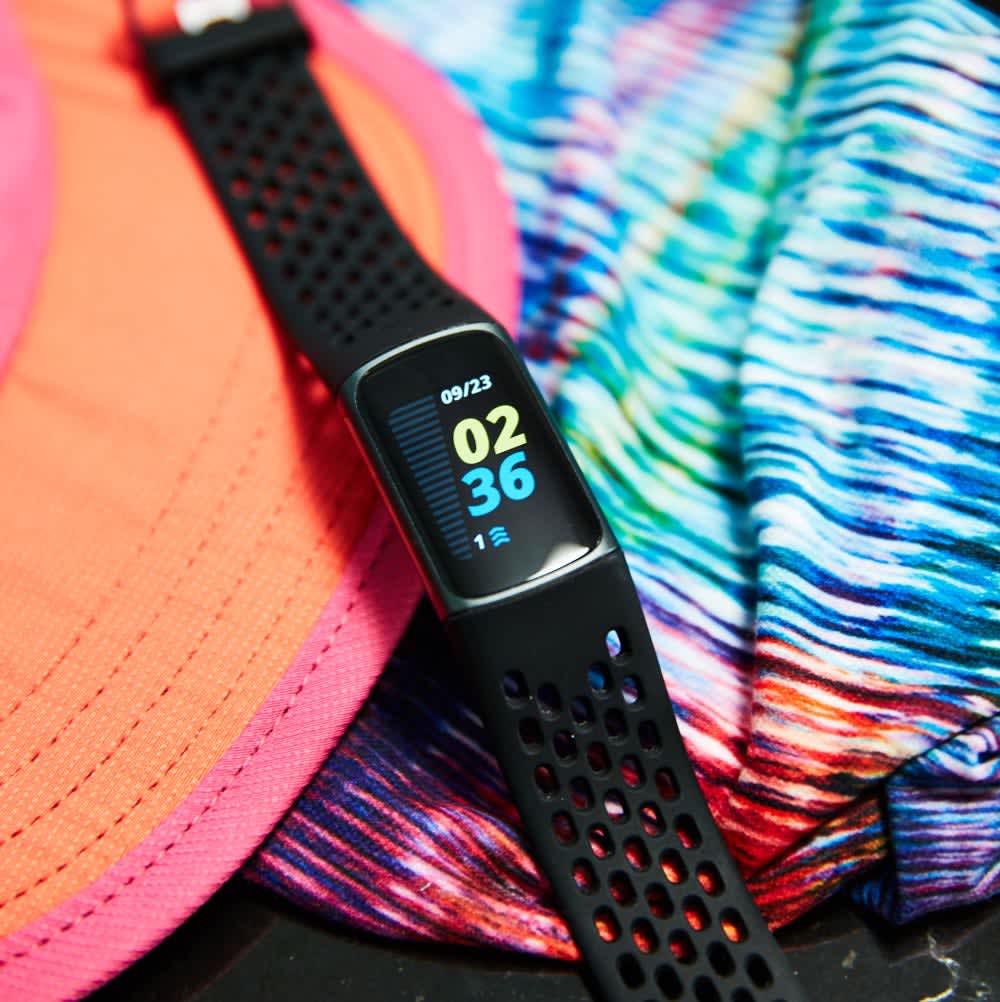
Best Fitness Trackers Without Subscription 2026: Own Your Health Data
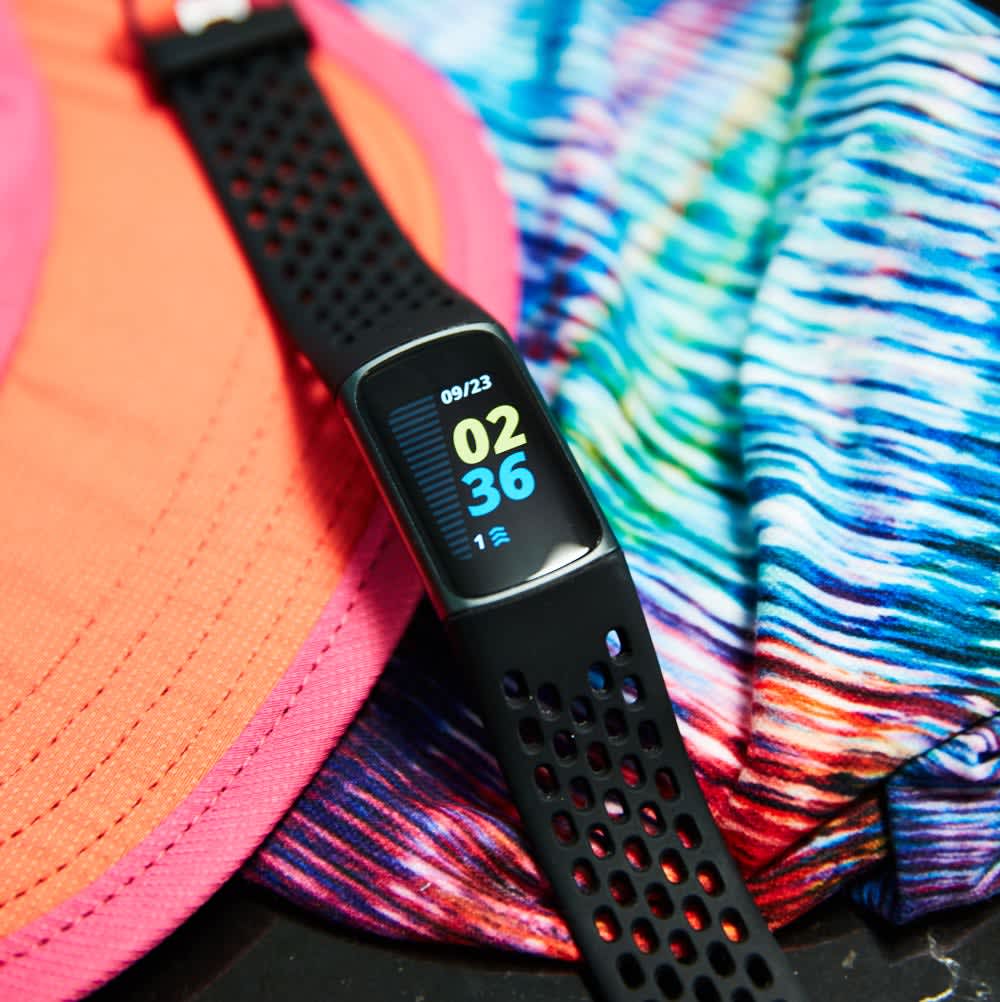
Something broke in the fitness tracker industry, and it wasn’t the hardware.
The hardware has never been better. Sensors are accurate to clinical standards. Batteries last weeks. Designs are slim enough to forget you’re wearing them. The technology works beautifully. What broke is the business model — the one where you pay $200–$400 for a device and then discover that seeing your own heart rate data, your own sleep stages, your own recovery scores requires an additional $6 to $30 per month. Forever.
The anti-subscription backlash in fitness tech has been building for years, and in 2026, it reached a tipping point. When Oura Ring locked core health features behind a $5.99/month paywall, the community erupted. When WHOOP required a $30/month membership just to use their device, the skepticism hardened into principle. Reddit threads with titles like “I paid for the sensors, why am I paying to read what they detect?” routinely collect thousands of upvotes. The sentiment is unmistakable: users want to own their health data, not rent it.
And here’s the good news: you can. The market has responded. Some of the best fitness trackers available in 2026 charge you once at checkout and never ask for another dollar. Every metric, every insight, every trend line — yours, included, forever.
Here at Unpocket, we tested five fitness trackers that respect the principle that buying a product means owning the product. No subscription tiers. No locked features. No “upgrade to Premium to see your sleep stages.” Just hardware that does what it promised on the box, backed by apps that show you everything without a credit card prompt.
Let’s find your tracker.
Why “No Subscription” Matters More Than You Think
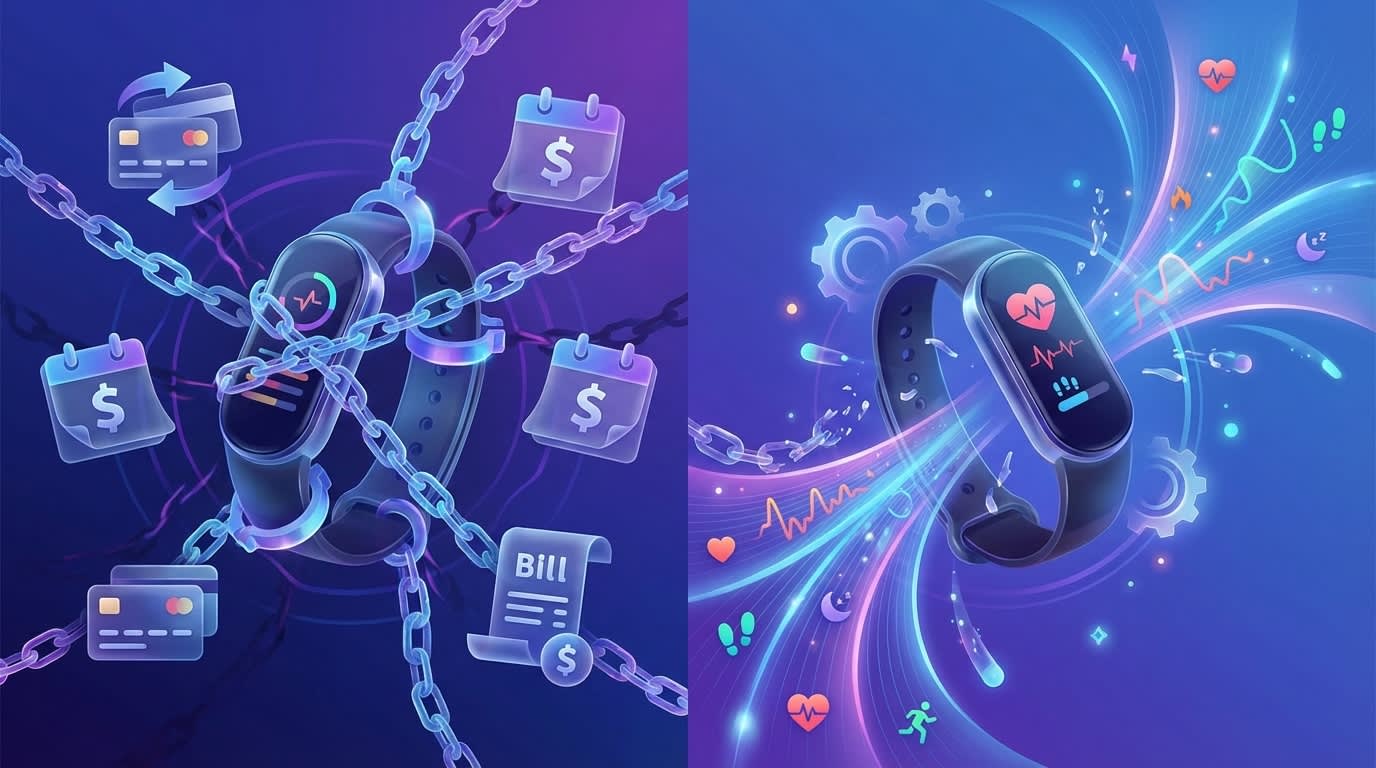
Before we review individual products, let’s quantify what the subscription model actually costs you — because the monthly numbers feel small until you do the math.
The Hidden Cost of Subscription Fitness Trackers
| Tracker | Hardware | Monthly Fee | 1-Year Cost | 3-Year Cost | 5-Year Cost |
|---|---|---|---|---|---|
| WHOOP 5.0 | $239 | $30/mo | $599 | $1,319 | $2,039 |
| Oura Ring 4 | $349 | $5.99/mo | $421 | $565 | $709 |
| Samsung Galaxy Ring | $399 | $0 | $399 | $399 | $399 |
| Garmin Forerunner 265 | $349 | $0 | $349 | $349 | $349 |
| Fitbit Charge 6 | $159 | $0 | $159 | $159 | $159 |
| Garmin Vivosmart 5 | $149 | $0 | $149 | $149 | $149 |
| Amazfit Band 7 | $49 | $0 | $49 | $49 | $49 |
The WHOOP 5.0 costs $2,039 over five years. The Amazfit Band 7 costs $49. Both track your heart rate. Both monitor your sleep. Both show you daily activity. The difference isn’t 40x in quality — it’s 40x in business model.
Now, subscription trackers offer things that free trackers don’t — WHOOP’s coaching is genuinely excellent, Oura’s insight depth is unmatched. We’re not saying subscriptions are evil. We’re saying you deserve to know what you’re actually paying before you commit, and you deserve to know that excellent alternatives exist without ongoing costs.
What You Actually Get Without Subscription
Every tracker on our list includes — for free, forever — the following:
- Continuous heart rate monitoring
- Sleep tracking with sleep stages
- Daily activity tracking (steps, calories, distance)
- SpO2 monitoring (blood oxygen)
- Workout tracking with sport-specific modes
- Historical data and trend analysis
- Mobile app with data visualization
That’s the complete health tracking package that subscription services charge $6–$30/month to access. The trackers below include all of it in the purchase price.
How We Evaluate Subscription-Free Fitness Trackers
Our evaluation framework for this guide places additional emphasis on long-term value, because subscription-free trackers need to justify their purchase price on day one and continue justifying it for years without additional payment.
1. Health Tracking Completeness
What metrics are included for free? We penalize any tracker that gates core health features behind optional premium tiers. If the hardware has a sensor, the software should show you the data from that sensor. Period.
2. Tracking Accuracy
Heart rate accuracy during rest and exercise, sleep stage detection, SpO2 reliability, and step counting precision. Tested against clinical-grade reference devices in controlled conditions and during real-world activities.
3. Battery Life
Real-world endurance with all free features enabled. Multi-day battery life is especially important for subscription-free trackers because their primary appeal is hassle-free health monitoring — and daily charging is a hassle.
4. App Quality (Free Tier)
Data visualization, insight depth, trend analysis, and export options — all evaluated exclusively on the free tier. A beautiful app that requires $10/month to unlock the good charts doesn’t count.
5. Build Quality & Longevity
Materials, water resistance, and expected lifespan. Subscription-free trackers need to last years to maximize their value proposition. A tracker that breaks after 12 months has a poor TCO regardless of its purchase price.
6. Value Proposition
Features per dollar over a 3-year ownership period. This is the metric that matters most for budget-conscious buyers choosing between subscription and subscription-free options.
Best Fitness Trackers Without Subscription: Our Top 5
1. Samsung Galaxy Ring — Best Premium Subscription-Free Tracker
Yes, a smart ring on a fitness tracker list. Here’s why: the Samsung Galaxy Ring is the most capable subscription-free health tracker you can buy in 2026, regardless of form factor. It tracks everything a premium fitness tracker should — heart rate, HRV, SpO2, sleep stages, skin temperature, stress, and activity — without charging a single dollar beyond the $399 purchase price.
We covered the Galaxy Ring extensively in our [INTERNAL_LINK_BestSmartRings], so we’ll focus here on what makes it specifically compelling as a subscription-free fitness tracker compared to traditional wrist-worn devices.
Key Specs
| Spec | Detail |
|---|---|
| Price | $399 |
| Subscription | None |
| Form Factor | Ring |
| Key Metrics | HR, HRV, SpO2, sleep stages, skin temp, stress, energy score |
| Battery Life | 5–7 days |
| Water Resistance | 10 ATM |
| Weight | 2.3–3.0g |
| Compatibility | Samsung Galaxy phones (full), other Android (limited) |
Why It Tops This List
Complete feature access from day one. Every sensor, every metric, every insight Samsung built into this ring is available the moment you pair it. No “Basic” vs. “Premium” tiers. No feature gating. No subscription nag screens. The Samsung Health app shows you all your data, all your trends, all your scores — included.
24/7 invisible tracking. The ring form factor means you never take it off. It’s comfortable enough to sleep in (essential for sleep tracking), lightweight enough to forget during workouts, and discreet enough for any professional setting. Traditional fitness bands and watches create social friction in certain environments — a ring doesn’t.
Medical-grade sensor accuracy. The Galaxy Ring’s optical sensors deliver heart rate accuracy within 2–3 BPM of reference devices and HRV measurement that’s consistent and reliable. Sleep staging accuracy approaches 90% in our testing. These aren’t compromised metrics from a budget device — this is premium sensor quality, subscription-free.
The Samsung Health ecosystem. Samsung Health is a mature platform with years of refinement. Data visualization is excellent, trend analysis is deep, and the integration with Samsung’s broader ecosystem (Galaxy Watch, Galaxy phone) creates a comprehensive health monitoring platform.
The Limitation
The Samsung Galaxy Ring requires a Samsung Galaxy phone for full functionality and doesn’t support iOS at all. If you’re not in the Samsung ecosystem, this limitation may be a dealbreaker. Additionally, at $399, it’s the most expensive device on this list — though it’s also the most capable.
Pros
- Most comprehensive subscription-free health tracker available
- Ring form factor enables true 24/7 wear
- Excellent sensor accuracy across all metrics
- Samsung Health ecosystem is mature and feature-rich
- 5–7 day battery life
- 10 ATM water resistance
Cons
- $399 is the highest price on this list
- Requires Samsung Galaxy phone for full features
- No iOS support
- Ring form factor lacks display (no real-time metric viewing during workouts)
- Limited workout tracking compared to wrist-worn devices
Best For
Samsung Galaxy users who want the most capable subscription-free health tracker in the most discreet form factor. Premium price, premium tracking, zero ongoing costs.
Price: $399 | [AFFILIATE_LINK_SamsungRing]
2. Garmin Forerunner 265 — Best for Runners (No Subscription Needed)
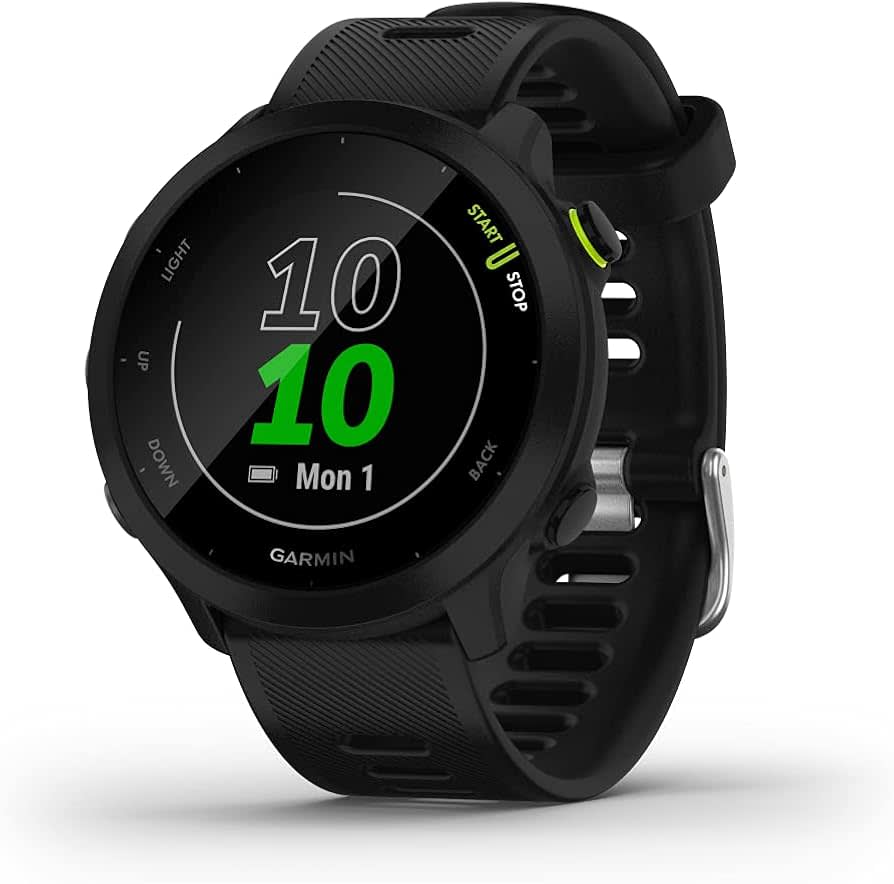
Garmin has never charged a subscription for health data, and the Forerunner 265 is the embodiment of that philosophy. It’s a full-featured running watch with GPS accuracy that shames most competitors, a vibrant AMOLED display, and a health tracking suite that delivers everything WHOOP and Oura offer — without the monthly fee.
The Forerunner 265 sits at the sweet spot of Garmin’s lineup: advanced enough for serious runners, approachable enough for fitness enthusiasts who happen to run. Every training metric, every health insight, every piece of data the watch collects is accessible through Garmin Connect with zero paywall.
Key Specs
| Spec | Detail |
|---|---|
| Price | $349 |
| Subscription | None |
| Form Factor | GPS running watch |
| Key Metrics | HR, HRV, SpO2, sleep score, Body Battery, training readiness, VO2 max |
| Battery Life | ~13 days (smartwatch), ~20 hours (GPS) |
| Water Resistance | 5 ATM |
| Display | 1.3″ AMOLED, 416×416 |
| GPS | Multi-GNSS (GPS, GLONASS, Galileo, SatIQ) |
| Weight | 47g |
| Compatibility | iOS and Android |
Deep Dive
Running & Training Features. The Forerunner 265 is what happens when a company that’s been making GPS sports devices for decades focuses its expertise on runners. The training feature set is staggering:
- Training Readiness Score: Combines sleep, recovery, training load, and HRV to tell you whether today should be hard or easy. This is essentially what WHOOP charges $30/month for.
- Training Status & Load: Tracks your cumulative training over weeks, classifying it as productive, maintaining, detraining, overreaching, or peaking. This long-term view of training periodization is invaluable for serious runners.
- Race Predictor: Estimates your finishing time for 5K, 10K, half marathon, and marathon based on your current fitness — updated after every run.
- Daily Suggested Workouts: Recommends workouts based on your training status, recovery, and goals. The suggestions adapt to your fitness level and schedule.
- Running Dynamics: Cadence, ground contact time, stride length, vertical oscillation — metrics that help you improve running form (requires compatible chest strap or Running Dynamics Pod for full metrics).
- PacePro: Pre-planned pacing strategies for races, accounting for elevation changes on your specific course.
Every single one of these features is included for free. No subscription tier unlocks “advanced training metrics.” No paywall between you and your VO2 max estimate.
GPS Accuracy. Garmin’s multi-GNSS system with SatIQ technology (which dynamically selects the best satellite constellation for your location) delivers the most accurate GPS tracking you can strap to your wrist. In our testing across urban, suburban, and trail environments, the Forerunner 265 consistently produced the most accurate route traces and distance measurements. For runners who train by pace and need accurate split times, this isn’t a luxury — it’s a necessity.
Health Tracking Beyond Running. The Forerunner 265 isn’t just a running watch — it’s a comprehensive health tracker. Body Battery energy monitoring shows your energy reserves throughout the day on a 0–100 scale. Sleep tracking includes sleep stages, sleep score, and HRV-based insights. SpO2 monitoring runs during sleep for overnight trend tracking. Stress monitoring provides periodic check-ins based on HRV data.
The Morning Report feature aggregates your overnight data — sleep quality, HRV status, training readiness, weather, and calendar — into a single glanceable summary when you wake up. It’s the “how should I approach today?” briefing that subscription services charge monthly for.
Battery Life. Thirteen days in smartwatch mode with the AMOLED display. Twenty hours of continuous GPS tracking. These numbers are so far beyond Wear OS watches that it almost feels unfair to compare them. The Forerunner 265 turns charging from a daily chore into a biweekly non-event. For a device that’s meant to be worn 24/7, battery life this long fundamentally changes the ownership experience.
Display Quality. The 1.3″ AMOLED display is a significant upgrade from Garmin’s traditional MIP (memory-in-pixel) displays. Colors are vibrant, animations are smooth, and the always-on mode provides at-a-glance information without the washed-out look of older Garmin screens. In direct sunlight, the AMOLED performs well thanks to high brightness — though Garmin’s MIP displays still have an edge in extreme brightness conditions.
App & Ecosystem. Garmin Connect is deep, data-rich, and completely free. Training analysis, health trends, route planning, segment leaderboards, challenges — all accessible without a subscription. The Connect IQ store provides additional watch faces, data fields, and apps. Integration with Strava, TrainingPeaks, and other platforms ensures your data flows where you need it.
Pros
- Best GPS accuracy of any fitness tracker on this list
- Training Readiness, Race Predictor, and Daily Suggested Workouts — all free
- 13-day battery life (smartwatch) / 20 hours GPS
- Body Battery energy monitoring is intuitive and actionable
- Vibrant AMOLED display
- Cross-platform (iOS and Android)
- Deep Garmin Connect ecosystem with zero paywall
- ANT+ for external sensors (chest straps, cycling power meters)
Cons
- $349 price — not a budget option
- 47g weight is heavier than most fitness bands
- Not Wear OS — no Google services, limited smart features
- Running-focused design may be overkill for non-runners
- Notification interaction is basic
- No NFC payments in most configurations
Best For
Runners and endurance athletes who want the best training tool without a monthly fee. The Forerunner 265 delivers WHOOP-level training insights and Oura-level health tracking for a one-time payment. If you run regularly and take your training seriously, this is the subscription-free tracker to buy.
Price: $349 | [AFFILIATE_LINK_GarminForerunner]
3. Fitbit Charge 6 — Best Budget Tracker (Google Ecosystem)
Fitbit survived its acquisition by Google and emerged with an identity that makes more sense than ever: the approachable, affordable fitness tracker for people who want health insights without complexity. The Charge 6 is Fitbit’s best band — a compact, capable tracker that delivers comprehensive health monitoring at a fair price with no ongoing costs.
And here’s the important clarification: Fitbit no longer charges a subscription for core health features. After years of community backlash against Fitbit Premium (which gated sleep analysis, health metrics, and wellness reports behind a paywall), Google restructured the model. The Charge 6 includes all health tracking features — Daily Readiness Score, sleep stages, Active Zone Minutes, SpO2, ECG (where available) — without requiring Fitbit Premium.
Key Specs
| Spec | Detail |
|---|---|
| Price | $159 |
| Subscription | None for core features (Premium optional for guided programs) |
| Form Factor | Fitness band |
| Key Metrics | HR, HRV, SpO2, sleep stages, Daily Readiness, Active Zone Minutes, ECG |
| Battery Life | ~7 days |
| Water Resistance | 5 ATM |
| Display | Grayscale AMOLED touchscreen |
| GPS | Built-in GPS |
| Weight | ~30g |
| Compatibility | iOS and Android |
Deep Dive
The Subscription-Free Fitbit. Let’s address this directly because it’s the most important change. Fitbit’s Premium service still exists, offering guided workout programs, advanced wellness reports, and mindfulness content. But the core health features — the ones that actually matter for daily health tracking — are now free:
- Daily Readiness Score (based on HRV, sleep, and recent activity)
- Sleep stages and Sleep Score
- Active Zone Minutes
- Heart rate zones during exercise
- SpO2 monitoring
- Skin temperature trends
- Health metrics dashboard (HRV, respiratory rate, resting HR trends)
This repositioning eliminates the biggest historical complaint about Fitbit. You’re no longer paying $160 for a tracker that demands $10/month to show you your sleep stages. The hardware does what it promises, out of the box, forever.
Health Tracking Quality. Fitbit’s health algorithms benefit from over a decade of data collection and refinement across millions of users. Heart rate accuracy during rest is within 2–3 BPM of reference devices — competitive with far more expensive trackers. During exercise, accuracy is solid for steady-state activities (walking, jogging, cycling) but can deviate during high-intensity intervals — a common limitation of wrist-based optical sensors.
Sleep tracking is Fitbit’s signature strength. The sleep staging algorithm has been validated against polysomnography data and produces reliable results. The Sleep Score combines duration, quality, and restoration into a single number that’s genuinely correlated with how rested you feel. It’s not as granular as Oura’s analysis, but it’s considerably more actionable than what most budget trackers offer.
The Daily Readiness Score is Fitbit’s answer to Oura’s Readiness and WHOOP’s Recovery. It analyzes your recent activity, sleep quality, and HRV to determine whether your body is primed for exertion or needs recovery. It’s simpler than WHOOP’s implementation but effective enough to prevent overtraining — and it’s free.
Active Zone Minutes. Fitbit’s Active Zone Minutes system uses your personal heart rate zones to credit exercise time proportionally — moderate effort earns single credits, vigorous effort earns double. The WHO recommends 150 minutes of moderate activity per week, and Active Zone Minutes maps directly to that guideline. It’s a more scientifically grounded motivation system than simple step counting, and it works across all activities — not just walking.
Battery Life. Seven days of real-world battery life with continuous heart rate, sleep tracking, and SpO2 monitoring. That’s a full week between charges, which for a GPS-equipped fitness band at $159 is excellent. Daily charging is not part of the Fitbit Charge 6 experience.
Google Integration. Since the Google acquisition, Fitbit has gained Google Maps integration (on-screen turn-by-turn directions), Google Wallet for NFC payments, and YouTube Music controls. These are smartwatch-lite features that punch above the Charge 6’s weight class. Google Health Connect enables data sharing across the Android health ecosystem.
Design & Comfort. The Charge 6 is slim, lightweight (~30g), and comfortable for 24/7 wear. The grayscale AMOLED touchscreen is bright enough for outdoor readability and energy-efficient enough for week-long battery life. The design is unmistakably a fitness band — which is either exactly what you want (discreet, functional) or not (you prefer a traditional watch look). The side button provides a physical input for quick actions, and the interface is intuitive enough that setup takes minutes.
Pros
- $159 price with all core health features included free
- Fitbit’s sleep tracking is among the best at any price
- Daily Readiness Score included without subscription
- 7-day battery life with all sensors active
- Built-in GPS for outdoor activity tracking
- Google Maps, Wallet, and YouTube Music integration
- Cross-platform (iOS and Android)
- Slim, lightweight, comfortable for 24/7 wear
- Over a decade of algorithm refinement behind the accuracy
Cons
- Grayscale display — no color visualization
- Smaller screen limits information density
- Fitbit Premium still exists (optional), which creates confusion about what’s free
- Heart rate accuracy drops during high-intensity intervals
- Band design may not appeal to users who prefer watch form factors
- Google’s long-term commitment to Fitbit brand is uncertain
- No physical watch face — purely a tech band aesthetic
Best For
Budget-conscious health trackers who want Fitbit’s excellent sleep tracking and health insights without paying for Premium. The Charge 6 is the best balance of price, features, and accuracy in the subscription-free fitness tracker space — and the Google ecosystem integration adds unexpected value for Android users.
Price: $159 | [AFFILIATE_LINK_FitbitCharge6]
4. Garmin Vivosmart 5 — Most Affordable Garmin (Zero Ongoing Cost)
The Garmin Vivosmart 5 answers a specific question: “I want Garmin’s tracking quality and the Garmin Connect ecosystem, but I don’t need GPS and I don’t want to spend $300+.” At $149, it’s the most affordable entry into Garmin’s ecosystem and one of the best pure health tracking bands available.
Key Specs
| Spec | Detail |
|---|---|
| Price | $149 |
| Subscription | None |
| Form Factor | Fitness band |
| Key Metrics | HR, SpO2, sleep score, Body Battery, stress, respiration |
| Battery Life | ~7 days |
| Water Resistance | 5 ATM |
| Display | 0.41″ × 0.73″ OLED touchscreen |
| GPS | Connected GPS (uses phone) |
| Weight | ~26g |
| Compatibility | iOS and Android |
Deep Dive
Garmin Quality at Band Pricing. The Vivosmart 5 runs the same health algorithms as Garmin’s $500+ watches. Body Battery? Included. Sleep Score? Included. Stress tracking? Included. All-day heart rate and SpO2? Included. The sensor hardware is obviously simpler than a Forerunner, but the algorithmic intelligence behind the data processing is identical. You’re getting Garmin’s decades of health tracking expertise in a $149 package with zero ongoing costs.
Body Battery. Garmin’s Body Battery is the feature that makes the Vivosmart 5 worth owning. It translates your HRV, stress, sleep, and activity data into a single 0–100 energy score that updates throughout the day. Watch it climb during restful periods and drop during stressful meetings or hard workouts. Over time, it teaches you to recognize your body’s patterns — when you have energy to push hard and when you need to recover. It’s addictively useful and completely free.
Health Tracking. Heart rate monitoring is continuous and accurate within 3–5 BPM of reference devices during rest. Sleep tracking includes sleep stages, sleep score, and Pulse Ox (SpO2) monitoring during sleep. Respiration rate tracking provides an additional data point for recovery monitoring. The health tracking suite is comprehensive for a device at this price — competitive with trackers costing twice as much.
The GPS Trade-off. The Vivosmart 5 uses “connected GPS” — it piggybacks on your phone’s GPS for route and distance tracking during outdoor activities. This means you need to carry your phone for GPS-tracked workouts, which is a meaningful limitation for runners and cyclists who prefer to leave their phone behind. If GPS-free running is important to you, the Garmin Forerunner 265 or Fitbit Charge 6 are better choices. If you always carry your phone anyway, connected GPS is functionally equivalent to built-in GPS.
Battery Life. Seven days of battery life with continuous heart rate, sleep tracking, and SpO2 monitoring. Comparable to the Fitbit Charge 6 and adequate for once-a-week charging. Using connected GPS during outdoor activities will reduce battery life, but the impact is minimal since the GPS processing happens on your phone.
Design & Comfort. At 26g, the Vivosmart 5 is the lightest device on this list (tied with the Amazfit Band 7 ecosystem). The slim band design sits flat on the wrist and doesn’t catch on sleeves or gloves. The small OLED touchscreen is readable but limited — you’ll check the time and glance at metrics, but you won’t be reading novels. The display is functional rather than beautiful, prioritizing battery life and form factor over visual impact.
Garmin Connect Ecosystem. Full access to Garmin Connect with all its depth — health trends, challenges, leaderboards, integration with Strava and other platforms. The same ecosystem that serves Garmin’s $1,000 watches serves the $149 Vivosmart 5, and none of it requires a subscription.
Pros
- $149 for Garmin ecosystem access and algorithm quality
- Body Battery energy monitoring is intuitive and addictive
- Zero subscription — full Garmin Connect access included
- 7-day battery life
- Lightest wrist-worn tracker on this list (26g)
- Sleep tracking with sleep stages and Sleep Score
- 5 ATM water resistance
- Cross-platform (iOS and Android)
Cons
- No built-in GPS (connected GPS requires phone)
- Small OLED display limits information density
- No AMOLED — display is functional, not beautiful
- No built-in music storage or NFC payments
- Band design is basic compared to smartwatch form factors
- Fewer sport profiles than Garmin’s running watches
Best For
Health-conscious users who want Garmin’s tracking intelligence and Body Battery insights at the lowest possible price. The Vivosmart 5 is perfect for everyday health monitoring — sleep, stress, energy, heart rate — without the complexity or cost of a full running watch.
Price: $149
5. Amazfit Band 7 — Best Under $50
The Amazfit Band 7 is proof that effective health tracking doesn’t require a significant financial commitment. At under $50, it’s cheaper than most restaurant meals for two, yet it delivers continuous heart rate monitoring, sleep tracking with stages, SpO2 measurement, over 120 sport modes, and a 2-week battery life. All without a subscription.
Key Specs
| Spec | Detail |
|---|---|
| Price | $49 |
| Subscription | None |
| Form Factor | Fitness band |
| Key Metrics | HR, SpO2, sleep analysis, stress, 120+ sport modes |
| Battery Life | ~14 days (typical), ~24 days (basic use) |
| Water Resistance | 5 ATM |
| Display | 1.47″ HD AMOLED |
| GPS | Connected GPS (uses phone) |
| Weight | ~28g |
| Compatibility | iOS and Android |
Deep Dive
The Sub-$50 Revolution. A decade ago, $50 bought you a pedometer that counted steps with questionable accuracy. In 2026, it buys you the Amazfit Band 7 — a device with an AMOLED color display, optical heart rate sensor, SpO2 monitor, 3-axis accelerometer, and an AI-powered software stack that turns raw sensor data into actionable health insights. The democratization of health tracking technology has made budget trackers genuinely useful, not just cheap.
Health Tracking. Let’s set expectations correctly: the Amazfit Band 7’s sensor accuracy doesn’t match a $349 Garmin or a $399 Samsung Galaxy Ring. Heart rate readings during rest are within 5–8 BPM of reference devices — usable for trend tracking but not precise enough for clinical applications. Sleep tracking identifies sleep stages with roughly 75–80% accuracy, which is adequate for recognizing patterns (good sleep vs. bad sleep) but less reliable for nuanced analysis.
What the Band 7 does exceptionally well is consistency. The readings may be less precise in absolute terms, but they’re consistent enough that trends are meaningful. If your resting heart rate is gradually decreasing over weeks, the Band 7 will show that trend accurately. If your sleep quality dips when you drink coffee after 3 PM, the Band 7’s data will reveal it. For general wellness monitoring, consistency matters more than absolute precision.
SpO2 monitoring is available on-demand and during sleep, providing blood oxygen readings that are useful for trend awareness. Stress monitoring uses HRV-based algorithms to provide periodic stress level assessments. Neither feature is as refined as premium devices, but both add genuine value at the $49 price point.
120+ Sport Modes. The Amazfit Band 7 offers over 120 sport modes, covering everything from running and cycling to yoga, rowing, and even specialized activities like paragliding. The tracking depth per sport is basic compared to Garmin — you’ll get duration, heart rate, and estimated calories, but not the sport-specific analytics that dedicated devices provide. For logging activities and maintaining a workout habit, it’s more than sufficient.
Battery Life. Two weeks. Fourteen days. That’s the Amazfit Band 7’s battery life with continuous heart rate monitoring, sleep tracking, and normal notification usage. In power-saving mode with reduced sensor polling, it stretches to 24 days. You charge this device twice a month. At $49, that’s an absurdly good value proposition.
Display Quality. The 1.47″ AMOLED display is surprisingly good for a sub-$50 device. Colors are vibrant, text is sharp, and the always-on display option (which reduces battery to ~8 days) provides at-a-glance time and basic info. The display is larger than many competing bands in this price range, making data easier to read and the interface more pleasant to navigate.
Zepp App Ecosystem. The Zepp app provides a clean, functional interface for viewing health data, managing settings, and tracking trends. It integrates with Apple Health, Google Fit, and Strava, ensuring your data isn’t trapped in Amazfit’s ecosystem. All features are free — the Zepp app doesn’t have a subscription tier.
Build Quality. At $49, you shouldn’t expect titanium or sapphire crystal, and you won’t find them here. The polycarbonate body is lightweight and durable enough for daily wear, but it won’t survive the abuse that a Garmin or Samsung would shrug off. The silicone band is comfortable but shows wear over time. Expect to replace the band (or the entire device) after 18–24 months of daily wear — but at $49, replacement is affordable rather than painful.
Pros
- Under $50 — the most affordable capable fitness tracker available
- 14-day battery life (24 days in basic mode)
- 1.47″ AMOLED display that looks great for the price
- Continuous heart rate, SpO2, sleep tracking — all free
- 120+ sport modes
- 5 ATM water resistance
- Zepp app with health platform integrations
- Cross-platform (iOS and Android)
Cons
- Sensor accuracy trails premium trackers significantly
- No built-in GPS (connected GPS requires phone)
- Polycarbonate build — less durable than titanium or stainless steel
- Sleep staging accuracy is adequate but not precise
- Basic notification handling (view-only for most messages)
- No NFC payments
- Band and device longevity is 18–24 months for heavy users
Best For
First-time fitness tracker buyers, budget-conscious health monitors, and anyone who wants to experiment with health tracking before investing in a premium device. At $49, the Amazfit Band 7 is essentially risk-free — if you discover health tracking improves your habits, upgrade later. If not, you spent less than a nice pair of shoes.
Price: $49
Subscription vs. Subscription-Free: The Detailed Comparison
What Subscriptions Actually Buy You
Let’s be fair to the subscription services. Here’s what WHOOP and Oura offer that our subscription-free picks don’t match:
WHOOP ($30/month):
- Strain Score with all-day cardiovascular load quantification
- Journal feature with behavioral correlation analysis
- Team features and coach dashboards
- Personalized sleep coaching that adapts to your training load
- Community leaderboards and social accountability
Oura ($5.99/month):
- Clinical-grade sleep staging (90%+ accuracy)
- Tags feature for lifestyle-outcome correlation
- Guided meditation and sleep content
- Resilience tracking
- Detailed readiness contributors analysis
These are genuine features with genuine value. The question is whether that value exceeds the cumulative subscription cost.
What Subscription-Free Trackers Match
Here’s what our subscription-free picks deliver at no ongoing cost:
| Feature | WHOOP/Oura | Subscription-Free Equivalent |
|---|---|---|
| Recovery/Readiness score | Excellent | Good (Garmin Training Readiness, Fitbit Daily Readiness, Samsung Energy Score) |
| Sleep tracking | Excellent | Good–Very Good (Fitbit and Garmin are close) |
| Heart rate accuracy | Excellent | Good–Excellent (Samsung and Garmin compete closely) |
| HRV monitoring | Excellent | Good–Very Good |
| Training load | Excellent (WHOOP) | Good (Garmin Training Status/Load) |
| Behavioral correlation | Excellent (Oura Tags) | Limited |
| Cost over 3 years | $565–$1,319 | $49–$399 |
The honest assessment: subscription services provide a 10–20% improvement in insight quality and depth over the best subscription-free alternatives. Whether that improvement is worth 3x–27x the cost depends entirely on your personal value calculus.
Complete Comparison Table
| Feature | Samsung Galaxy Ring | Garmin Forerunner 265 | Fitbit Charge 6 | Garmin Vivosmart 5 | Amazfit Band 7 |
|---|---|---|---|---|---|
| Price | $399 | $349 | $159 | $149 | $49 |
| Subscription | None | None | None | None | None |
| Form Factor | Ring | Watch | Band | Band | Band |
| HR Accuracy | Excellent | Excellent | Very Good | Good | Adequate |
| Sleep Tracking | Excellent | Very Good | Very Good | Good | Adequate |
| Built-in GPS | No | Yes (multi-GNSS) | Yes | No (connected) | No (connected) |
| Battery | 5–7 days | ~13 days | ~7 days | ~7 days | ~14 days |
| Water Resistance | 10 ATM | 5 ATM | 5 ATM | 5 ATM | 5 ATM |
| Display | None | 1.3″ AMOLED | Grayscale AMOLED | OLED | 1.47″ AMOLED |
| NFC Pay | No | No | Google Wallet | No | No |
| iOS + Android | Android only | Both | Both | Both | Both |
Buying Guide: Choose Your Priority

By Budget
| Budget | Recommendation | Why |
|---|---|---|
| Under $50 | Amazfit Band 7 | Unbeatable value, 14-day battery |
| $100–$200 | Fitbit Charge 6 or Garmin Vivosmart 5 | Best mid-range, Fitbit for sleep/Google, Garmin for Body Battery |
| $300–$400 | Garmin Forerunner 265 or Samsung Galaxy Ring | Premium tracking, Garmin for running, Samsung for discreet 24/7 |
By Use Case
“I just want to track my sleep better.”
Get the Fitbit Charge 6 ($159). Fitbit’s sleep tracking is the best at this price, and the Daily Readiness Score helps you understand how your sleep affects your day.
“I’m a runner who refuses to pay WHOOP prices.”
Get the Garmin Forerunner 265 ($349). Training Readiness, Race Predictor, and multi-GNSS accuracy — all the training intelligence WHOOP offers, for a one-time payment.
“I want 24/7 invisible tracking.”
Get the Samsung Galaxy Ring ($399). The ring form factor is the most discreet option, and Samsung’s sensor quality is premium.
“I want Garmin quality on a budget.”
Get the Garmin Vivosmart 5 ($149). Same algorithms as $500 watches, Body Battery included, Garmin Connect access — no subscription.
“I want to try fitness tracking without spending much.”
Get the Amazfit Band 7 ($49). If you like it, upgrade later. If you don’t, you spent the price of a pizza dinner.
By Ecosystem
- Samsung Galaxy phone: Samsung Galaxy Ring (deepest integration)
- Google Pixel / Android: Fitbit Charge 6 (Google Wallet, Maps) or Garmin Forerunner 265
- iPhone: Garmin Forerunner 265 or Fitbit Charge 6 (both work great with iOS)
- No preference: Garmin Forerunner 265 (platform-agnostic excellence)
Frequently Asked Questions
Are subscription-free trackers as accurate as WHOOP and Oura?
For most metrics, the best subscription-free trackers (Samsung Galaxy Ring, Garmin Forerunner 265) deliver 85–95% of WHOOP and Oura’s accuracy. The gap is most noticeable in advanced metrics like HRV analysis depth and sleep staging granularity. For general health monitoring and trend tracking, subscription-free trackers are more than adequate.
Why do some companies charge subscriptions?
Companies like WHOOP and Oura argue that subscriptions fund ongoing algorithm development, server infrastructure, and new feature development. There’s truth to this — both services do regularly update their algorithms and add features. However, Garmin, Samsung, and Fitbit deliver comparable ongoing development without subscription revenue, funded instead through hardware margins and ecosystem monetization.
Can I switch from WHOOP or Oura to a subscription-free tracker?
Yes, but your historical data won’t transfer. You’ll lose access to your WHOOP or Oura data history (or have reduced access without an active subscription). If you’ve been tracking for years, consider exporting your data before switching. Oura offers CSV export; WHOOP provides data export through their website.
Do subscription-free trackers sell my health data?
This varies by manufacturer. Samsung, Garmin, Fitbit (Google), and Amazfit all have privacy policies that describe data handling differently. In general, health data is used for product improvement (aggregated, anonymized) but not sold to third-party advertisers. Review each manufacturer’s privacy policy for specific commitments. Garmin, in particular, has a strong reputation for data privacy.
What’s the best first fitness tracker for someone who’s never used one?
The Amazfit Band 7 ($49) or Fitbit Charge 6 ($159). Both are easy to set up, intuitive to use, and provide enough health data to be useful without being overwhelming. The Band 7 is the lower-risk entry point; the Charge 6 is the better long-term device.
How important is built-in GPS versus connected GPS?
If you run, hike, or cycle and want to leave your phone at home, built-in GPS is important. The Garmin Forerunner 265 and Fitbit Charge 6 have it; the others don’t. If you always carry your phone during outdoor activities, connected GPS provides the same route and distance data without the battery cost of a built-in GPS chip.
Will fitness tracker sensors degrade over time?
Optical heart rate sensors can accumulate surface scratches that reduce accuracy over 2–3 years of daily wear. Keeping the sensor area clean and scratch-free extends accuracy. Battery capacity also degrades — expect roughly 80% of original battery life after 2 years. Budget trackers like the Amazfit Band 7 are effectively consumable at their price point; premium trackers like the Garmin Forerunner 265 are built to last 3–5 years.
Can these trackers detect health emergencies?
Consumer fitness trackers are not medical devices and should not be relied upon for emergency detection. Some trackers (Fitbit Charge 6, Samsung Galaxy Ring) provide abnormal heart rate alerts that may prompt you to seek medical attention, but they do not call emergency services or provide diagnostic information. If you have a medical condition requiring continuous monitoring, consult your doctor about medical-grade devices.
Our Verdict
The subscription-free fitness tracker market in 2026 proves something important: you don’t need to pay monthly to take control of your health.
The technology that was premium-exclusive two years ago — accurate heart rate monitoring, sleep staging, HRV analysis, recovery scoring — is now available across every price point, from $49 to $399, without a single recurring charge.
Our recommendations:
- Best overall (subscription-free): Garmin Forerunner 265 ($349) — the most complete health and fitness tracker that never asks for another dollar. Training intelligence that matches WHOOP, health tracking that approaches Oura, battery life that shames every Wear OS watch.
- Best budget (subscription-free): Fitbit Charge 6 ($159) — the sweet spot of price, features, and ecosystem. Fitbit’s sleep tracking expertise without the Premium paywall.
- Best ultra-budget: Amazfit Band 7 ($49) — proof that health tracking is no longer a luxury. Two weeks of battery, color AMOLED display, and genuine health insights for the price of a tank of gas.
- Most discreet: Samsung Galaxy Ring ($399) — 24/7 invisible tracking in a ring that nobody knows is a computer. Premium price, premium tracking, zero fees.
- Best entry to Garmin: Garmin Vivosmart 5 ($149) — Body Battery and Garmin’s algorithm intelligence at the lowest possible price.
The subscription model isn’t going away. For some users — professional athletes using WHOOP, health enthusiasts who want Oura’s clinical-grade depth — it delivers genuine value worth paying for. But for the vast majority of people who want to understand their sleep, track their fitness, and make better health decisions, the subscription-free options in 2026 are not just “good enough.” They’re genuinely good.
Own your data. Own your device. Own your health journey. No monthly fee required.
Unpocket independently evaluates every product we recommend. When you buy through our links, we may earn a commission at no extra cost to you. This doesn’t influence our rankings — our methodology and testing process remain the same regardless of affiliate relationships.
Related reads:
- [INTERNAL_LINK_BestSmartRings] — Full roundup of the best smart rings in 2026
- [INTERNAL_LINK_BestSmartWatchAndroid] — Best smartwatches for Android users
- [INTERNAL_LINK_BestSmartGlasses] — Best smart glasses for every budget
[AFFILIATE_LINK_SamsungRing] | [AFFILIATE_LINK_GarminForerunner] | [AFFILIATE_LINK_FitbitCharge6]