
Oura Ring 4 vs Whoop 5.0: The Subscription Battle of Premium Wearables
Key Takeaways — Quick answer: For most people, the Oura Ring 4 ($349 + $72/year) is the better buy — it wins on sleep tracking, comfort, and low long-term cost. Choose Whoop 5.0 only if you want 24/7 training-load and strain coaching on the wrist.
- Best for most people: Oura Ring 4 — best sleep tracking, own the hardware
- Best for serious training: Whoop 5.0 — 24/7 strain + recovery coaching
- Subscription: Oura $72/yr (optional ownership) vs Whoop mandatory membership
You’ve narrowed your recovery wearable search down to the two names everyone mentions — and then you hit the pricing pages. Oura Ring 4 wants $349 upfront plus a monthly membership. Whoop 5.0 wants nothing upfront but locks you into an annual membership that costs more than most gym plans. Neither is a simple purchase; both are ongoing relationships with a health data company.
That makes this comparison different from a normal spec battle. The hardware differences between Oura and Whoop are real, but the decision that actually matters is which subscription model you can live with for years — because both devices are close to useless without their memberships.
We’ve worn both. Here’s how the oura vs whoop decision actually breaks down in 2026: what each subscription buys you, what the 2-year total cost looks like, where the sensor data genuinely differs, and which type of person each one fits.
At a Glance: Oura Ring 4 vs Whoop 5.0
| Oura Ring 4 | Whoop 5.0 | |
|---|---|---|
| Form factor | Titanium ring, 12 sizes | Screenless fabric band (wrist or apparel) |
| Upfront hardware cost | From $349 (more for gold/rose gold finishes) (brand-supplied) | $0 — hardware included with membership (brand-supplied) |
| Subscription | $5.99/month (~$72/year) (brand-supplied) | Tiered annual membership, roughly $199–$359/year depending on tier (brand-supplied) |
| Works without subscription? | Barely — basic scores only, most insights locked | No — device is inert without membership |
| Battery life | Up to 8 days (brand-supplied) | 14+ days (brand-supplied) |
| Display | None (phone app) | None (phone app) |
| Screen-free by design | Yes | Yes |
| ECG / blood pressure trends | No | Higher tiers with medical-grade hardware (brand-supplied; needs hands-on verification) |
| Best for | Sleep-first users who want jewelry, not gear | Training-first users who want strain coaching |
Both products share one philosophy that separates them from smartwatches: no screen, no notifications, no distractions. You wear them, you forget them, and the app tells you what your body did. If you want a screen, you want a smartwatch instead — see our heart health smartwatch guide.
The Subscription Models: Ownership vs Rental
This is the core of the subscription wearable comparison, so let’s be precise about what each company is selling.
Oura’s model: buy the hardware, rent the insights. You pay $349+ for the ring, and it’s yours. The $5.99/month membership unlocks the full app — readiness score details, sleep staging analysis, cycle insights, cardiovascular age, stress tracking. Without membership you keep only the three basic scores (sleep, readiness, activity) with none of the underlying detail. Oura occasionally bundles a free membership month with new rings (brand-supplied; check current promo before buying).
Whoop’s model: rent everything. There is no hardware price. Your membership fee includes the band, and higher tiers include better hardware — the top tier ships medical-grade sensing hardware with ECG capability (brand-supplied; needs hands-on verification for US feature availability). Cancel your membership and the band stops being useful entirely.
The psychological difference matters more than it looks:
- Oura feels like a product with a service attached. If you lapse the subscription, you still have a $349 titanium ring that tracks basics. Resale value exists.
- Whoop feels like a gym membership with a wearable attached. Stop paying and you have a fabric strap. There is nothing to resell (memberships aren’t transferable in any practical sense).
2-Year Total Cost of Ownership
| Scenario | Oura Ring 4 | Whoop 5.0 |
|---|---|---|
| Hardware | $349 | $0 |
| Year 1 membership | ~$72 | ~$199–$359 by tier |
| Year 2 membership | ~$72 | ~$199–$359 by tier |
| 2-year total | ~$493 | ~$398–$718 |
(All pricing brand-supplied as of mid-2026; both companies adjust tiers periodically — verify on current pricing pages before purchase.)
The math surprises most people: entry-tier Whoop can undercut Oura over two years, while top-tier Whoop costs nearly 50% more. Oura’s cost is front-loaded but flat; Whoop’s is zero-day but compounding. If you’re the kind of person who abandons wearables after eight months, Whoop’s entry tier is the cheaper mistake. If you’ll wear it for three-plus years, Oura’s flat $72/year ages better.
What Oura Ring 4 Does Best
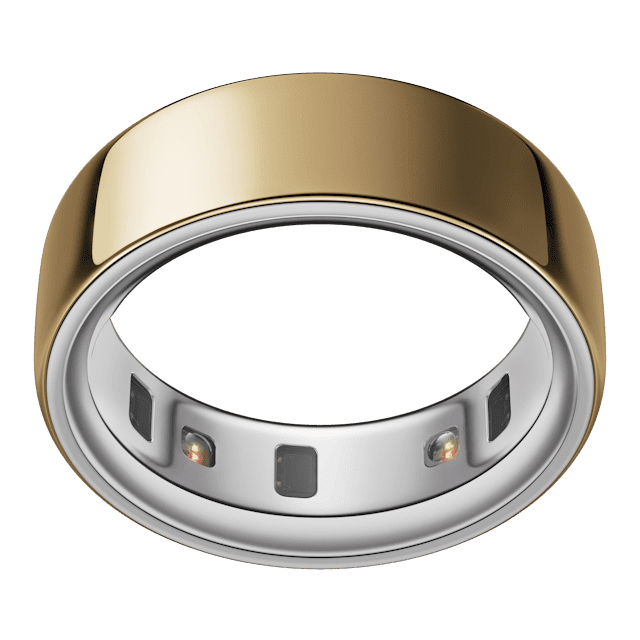
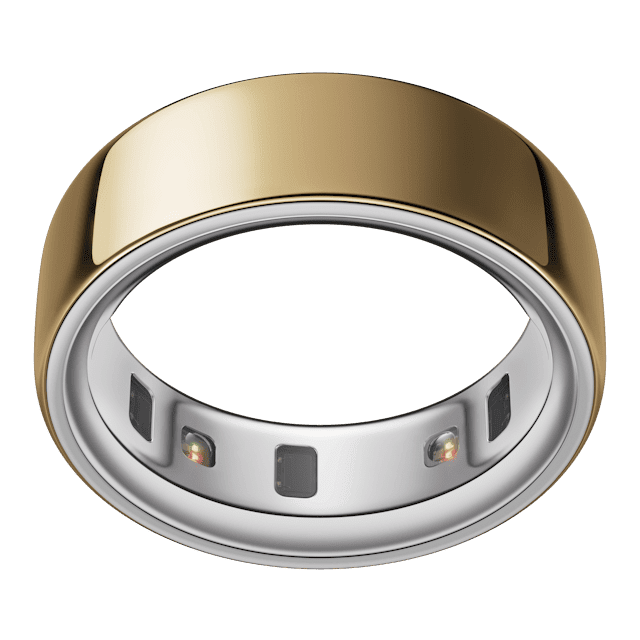
The Oura Ring 4 refined what was already the most wearable health tracker on the market. The titanium body has no exposed sensor bumps — the sensors sit flush, recessed into the inner band — and Oura’s Smart Sensing system steers signal pathways around finger position so accuracy doesn’t collapse when the ring rotates (brand-supplied).
Where Oura genuinely leads:
- Sleep tracking depth. Sleep staging, latency, timing consistency, and a readiness model that has years of published validation work behind it. Independent testing has consistently placed Oura at or near the top of consumer sleep trackers (verified by users; multiple independent reviews).
- Wearability. A ring disappears in a way no wrist strap does. You’ll wear it in the shower, at weddings, in bed — the compliance rate is the quiet superpower. The best sensor is the one that’s actually on your body at 3 a.m.
- Women’s health. Cycle tracking with temperature-driven insights is a first-class feature, not an add-on.
- Battery. Up to 8 days means you charge it when you shower, not on a schedule.
- A calmer relationship with data. Oura’s app tone is “here’s how you recovered, be kind to yourself.” That sounds soft, but for non-athletes it means you actually open the app in month six.
Where Oura falls short: exercise tracking is its weak leg. Ring-based heart rate during high-intensity intervals or lifting (where wrist and finger flexion mangle the optical signal) lags a chest strap noticeably (verified by users). Oura knows this — the app happily imports workouts from other devices. But if training load is your primary use case, the ring alone won’t cut it.
For how Oura Ring 4 compares against its ring-native rival, see our Oura Ring 4 vs Samsung Galaxy Ring breakdown — that matchup is about subscription vs no-subscription. This one is about two different subscriptions.
Buy it now: Check Oura Ring 4 price on Amazon
What Whoop 5.0 Does Best
[image placeholder: Whoop 5.0 band on wrist, official press or media coverage image — source via brave_image_search per X015 SOP before publish]
Whoop 5.0 is the tool serious trainers pick, and the 2025 hardware generation fixed the two loudest complaints: the module shrank meaningfully from the 4.0, and battery life jumped to 14+ days (brand-supplied) — long enough that charging (via the slide-on battery pack, no removal needed) becomes a biweekly afterthought.
Where Whoop genuinely leads:
- Strain coaching. Whoop’s core loop — overnight recovery score sets a daily strain target, and the app tells you when you’ve hit it — is the most actionable training framework in consumer wearables. Nobody else closes the loop this cleanly.
- Exercise heart rate. A snug wrist/bicep band beats a ring during hard intervals, and Whoop’s HR accuracy during training has tested well against chest straps (verified by users; independent reviews).
- Recovery honesty. Whoop will flatly tell you that last night’s drinks wrecked you. Its alcohol/HRV sensitivity is famous among users — sometimes brutally so.
- Healthspan features. The newer app generations added longer-horizon metrics like physiological age trends, aimed at users thinking beyond next week’s workout (brand-supplied).
- Wear flexibility. Body apparel and bicep bands let you move the sensor off the wrist for lifting or contact sports.
Where Whoop falls short: it’s a commitment device in every sense. The band has no display, looks like fitness equipment rather than jewelry, and the app’s tone assumes you care about optimizing. Casual users often describe Whoop guilt — the app noticing you skipped training. And the all-rental model means the day you stop paying, you own nothing.
Buy it now: Whoop 5.0 membership — whoop.com
Head-to-Head: Sleep, Recovery, and Daily Use
Sleep: Oura wins on depth and comfort. A ring in bed is imperceptible; a band is merely fine. Both produce credible sleep staging, but Oura’s sleep science pedigree and finger-based signal (stronger pulse waveform at the finger) give it the edge for sleep-first buyers (verified by users; consistent finding across independent tests).
Recovery scoring: Functionally similar — both fuse HRV, resting heart rate, sleep, and respiratory rate into a morning readiness/recovery percentage. Whoop’s is more prescriptive (it converts recovery into a strain budget); Oura’s is more descriptive. Athletes tend to prefer Whoop’s directive tone, everyone else Oura’s.
Training: Whoop, clearly. Better on-wrist HR during exercise, better load quantification, better coaching loop.
Everyday life: Oura, clearly. It’s jewelry. Whoop is gear. You’ll take Whoop off for a wedding; you won’t take Oura off at all.
Data export: Both offer integrations and API access for members, so neither locks your history in a way that violates our Own Your Health Data stance — but remember both paywall the insights layer. You’re renting analysis with either choice.
Which One Should You Actually Buy?
| If you… | Buy |
|---|---|
| Care most about sleep and all-day comfort | Oura Ring 4 |
| Train 4+ times a week and want load coaching | Whoop 5.0 |
| Want the lowest 2-year cost and will keep it 3+ years | Oura Ring 4 (~$493 over 2 years, flat after) |
| Want zero upfront spend to test the waters | Whoop 5.0 entry tier |
| Hate the idea of a device dying when a subscription lapses | Oura Ring 4 — the ring survives cancellation |
| Want ECG-adjacent, medical-grade sensing ambitions | Whoop’s top tier (needs hands-on verification) |
| Want no subscription at all | Neither — see our no-subscription wearables guide |
FAQ
Q: Can I use Oura Ring 4 without the subscription?
Technically yes, practically no. You get the three top-line scores and lose nearly all detail — sleep staging breakdowns, readiness contributors, trends. Budget the ~$72/year as part of the purchase price.
Q: Can I use Whoop 5.0 without a membership?
No. The hardware ships as part of the membership and stops functioning as a tracker if you cancel. There is no ownership path.
Q: Which is more accurate, Oura or Whoop?
Split decision: Oura for sleep and overnight metrics, Whoop for exercise heart rate and training load (verified by users; consistent across independent testing). Both are credible for HRV-based recovery trends.
Q: Does either work with my existing smartwatch?
Yes, and pairing a ring or band with a watch is a common setup — Oura or Whoop for recovery and sleep, a watch for workouts and notifications. Both apps coexist fine with Garmin, Apple, and Samsung ecosystems.
Q: Is Whoop’s zero-hardware-cost model actually cheaper?
Only at the entry tier, and only over shorter horizons. Over 2 years: entry-tier Whoop (~$398) beats Oura (~$493), but mid and top tiers cost more, and by year 3 Oura’s flat $72/year typically wins any tier comparison.
Q: What about Whoop MG and the medical-grade features?
Whoop’s premium hardware tier advertises ECG capability and blood-pressure-adjacent insights (brand-supplied). Regulatory availability differs by region and has shifted since launch — we haven’t hands-on verified the current US feature state, so treat this as a bonus, not a purchase driver (needs hands-on verification).
Bottom Line
The oura ring 4 whoop 5 decision isn’t really ring vs band — it’s two subscription philosophies.
Oura Ring 4 is the buy for most people reading this: comfortable enough to wear forever, the best sleep tracking in the category, and a subscription cheap enough ($72/year) that it doesn’t demand justification. You own the hardware, and the cost curve flattens over time.
Whoop 5.0 is the buy if training is the point. The strain/recovery coaching loop is unmatched, exercise HR is better, and the zero-upfront entry tier is a low-risk trial. Just go in understanding the deal: you’re a subscriber, not an owner, from day one to the day you quit.
Whichever you pick, the same rule from every guide we write applies — the wearable that works is the one you keep wearing. Oura is easier to keep wearing. Whoop is easier to keep listening to.
Affiliate disclosure: This guide contains affiliate links. We earn a small commission if you buy through them, at no extra cost to you. Our recommendations are never influenced by commission rates. See our affiliate disclosure for details.